
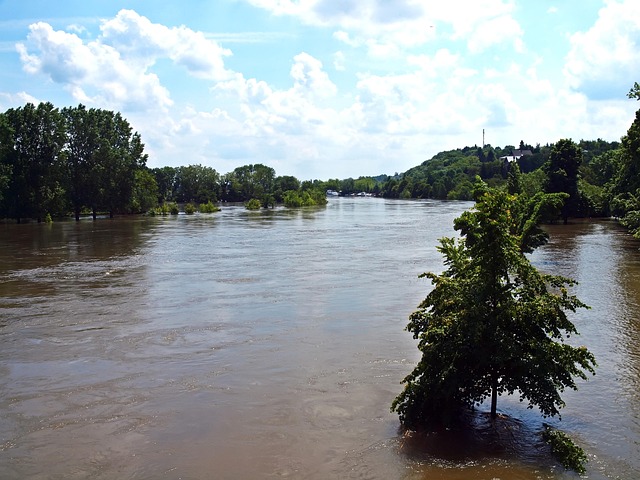
Denver's unique geography makes it prone to flooding. Key strategies for flood restoration include a comprehensive approach, enhanced water resistance, expert education, and regular inspections. Post-restoration waterproofing is vital to prevent mold growth and future damage. Advanced moisture monitoring, structural reinforcement, and drainage system improvements significantly reduce flood risk. Choosing IICRC-certified Flood Restoration Denver specialists with specialized technology offers tailored preventive solutions, potentially reducing damage claims by up to 40%.
Flooding poses a significant threat to Denver’s landscape and its residents, particularly following restoration efforts where structures are left vulnerable. Preventing future flood damage is paramount to ensure the longevity of these endeavors and safeguard communities. This article delves into practical strategies tailored for Flood Restoration Denver, exploring methods to fortify buildings against imminent water hazards. We provide an in-depth guide on everything from implementing robust flood control measures to adopting innovative technologies, offering valuable insights to both professionals and homeowners seeking to mitigate risks effectively.
- Understanding Denver's Flood Risk After Restoration
- Implementing Effective Post-Restoration Waterproofing Solutions
- Preparedness Strategies: Protecting Your Property Long-Term
- Choosing the Right Flood Restoration Denver Experts for Future Prevention
Understanding Denver's Flood Risk After Restoration

Denver’s geography places it at a unique risk for flooding events, particularly during spring snowmelt and summer storms. After restoration from previous flood damage, understanding this ongoing threat is crucial to prevent future incidents. The city’s topography, characterized by hills and close proximity to rivers like the South Platte River, contributes to rapid water flow and potential inundation. According to local authorities, Denver has seen an increase in severe weather events over the past decade, further emphasizing the need for proactive measures.
Following flood restoration using services like ARC Restoration, homeowners must take a comprehensive approach to mitigate risks. This involves not only drying out a flooded home thoroughly but also implementing structural and system upgrades. Restoration services in Denver should focus on enhancing water resistance, especially in areas prone to flooding. This includes reinforcing foundations, improving drainage systems, and installing waterproof barriers. For instance, using advanced drying techniques during the initial restoration phase can significantly reduce moisture levels, preventing mold growth and long-term damage.
Expert restoration companies like ARC Restoration play a vital role in educating Denver residents about these risks. They offer tailored solutions to address unique challenges posed by the city’s flood-prone areas. Regular inspections and maintenance are key; homeowners should schedule assessments to identify vulnerabilities. By combining these strategies, Denver residents can effectively navigate the city’s flood risk landscape, ensuring their homes remain safe and secure even in the face of unpredictable weather patterns.
Implementing Effective Post-Restoration Waterproofing Solutions

After a flood or water damage event, such as those often experienced in Denver due to unpredictable weather patterns, proper restoration and waterproofing are crucial to prevent future damage. While Flood Restoration Denver focuses on returning properties to their pre-loss condition, implementing effective post-restoration waterproofing solutions is an essential step that often gets overlooked. This comprehensive approach ensures not only the immediate repair but also long-term protection against water intrusion.
One of the primary considerations after a flood or emergency water extraction in Colorado, whether it’s due to heavy rainfall, snowmelt, or a burst pipe, is the potential for residual moisture and humidity. High levels of moisture can create an ideal environment for mold growth, which not only poses health risks but also causes further structural damage. Commercial water damage restoration services in Denver often include advanced drying techniques and dehumidification systems that swiftly reduce moisture content to safe levels. However, to mitigate future risks, a robust waterproofing strategy must accompany these efforts.
For residential or commercial properties in Denver, integrating a multi-layered waterproofing system is recommended. This can involve sealing cracks and gaps around pipes, windows, and doors, as well as applying specialized coatings or membranes to walls and floors. For example, using a hydrophobic membrane underneath flooring can prevent water from seeping through joints, a common issue after emergency water extraction. Additionally, implementing smoke damage restoration Denver techniques to address any contaminated materials can further enhance the property’s resilience against future flooding events. Regular maintenance and inspections are vital to ensure these systems remain effective over time, providing peace of mind that one’s investment is protected against the unpredictable elements.
Preparedness Strategies: Protecting Your Property Long-Term

Protecting your property from future flood damage after restoration is a multifaceted strategy that goes beyond initial repair. In Denver, where Flood Restoration Denver services are in high demand, long-term preparedness is key to safeguarding homes and businesses. Advanced Restoration Colorado experts emphasize the critical role of proactive measures to prevent recurring disaster.
One essential step involves implementing robust water mitigation protocols. This includes thorough drying processes after any water intrusion, as even minor leaks can lead to mold growth and structural damage over time. Biohazard Cleanup Denver services should be engaged when floodwater contains contaminated sources, ensuring safe removal of hazardous materials. Additionally, investing in advanced moisture monitoring systems can provide early warnings, allowing for swift action before potential problems arise.
Regular maintenance checks are another vital component. Inspecting and reinforcing your property’s exterior, such as doors, windows, and roof, can prevent water seepage. Property owners should also consider elevated electrical panels and improved drainage systems to mitigate risks. For instance, a study by the National Weather Service shows that areas with proper flood protection measures experienced significantly less damage during recent severe weather events. By integrating these strategies into your post-restoration routine, you can ensure your Flood Restoration Denver efforts translate into lasting protection against future floods.
Choosing the Right Flood Restoration Denver Experts for Future Prevention

Choosing the right Denver flood restoration specialists is a critical step in mitigating future flood damage. After the initial flooded home recovery in Denver, it’s essential to partner with experts who understand the unique challenges posed by Colorado’s unpredictable weather patterns. Look for companies that specialize in both residential and commercial flood restoration, equipped with advanced drying technology and experience handling various water damage scenarios. Reputable firms will also possess certifications from recognized institutions like the Institute of Inspection, Cleaning and Restoration Certification (IICRC), ensuring they adhere to industry standards.
A key aspect to consider is the Denver flood restoration specialists’ approach to prevention. Top-tier professionals offer more than just immediate recovery; they provide comprehensive solutions to safeguard your property moving forward. This includes inspecting your home for vulnerabilities, implementing waterproof barriers, and advising on structural enhancements. For instance, raised electrical panels and improved drainage systems can significantly reduce the risk of future flooding. These specialists should also be able to offer tailored flood restoration tips specific to Denver’s climate and terrain, ensuring your property is better prepared for any storms or heavy rainfall.
Beyond technical expertise, look for companies that prioritize customer service and communication. Effective Denver flood restoration specialists will keep you informed throughout the process, providing transparent updates and addressing your concerns promptly. They should also offer ongoing support and maintenance plans to ensure your property remains protected long after the initial restoration is complete. According to a study by the National Weather Service, proper flood mitigation strategies can reduce damage claims by up to 40%. By choosing the right Denver flood restoration specialists, you’re not just restoring your property; you’re investing in its longevity and protecting it against potential losses.
By integrating robust flood restoration Denver techniques post-disaster and adopting long-term preparedness strategies, homeowners can significantly mitigate future damage. Key takeaways include prioritizing comprehensive waterproofing solutions tailored to Denver’s unique environmental considerations. Choosing reputable flood restoration Denver experts is paramount for access to advanced technologies and industry insights. Proactive measures such as elevation, impermeable surfaces, and robust drainage systems further safeguard properties against the unpredictable nature of floods. This holistic approach, rooted in understanding local risks and leveraging expert knowledge, ensures that Denver residents not only recover from but also successfully prevent future flood damage.