

Flood Restoration Denver involves critical initial assessments to determine water damage extent, structural integrity, and potential mold growth. Professional teams use advanced techniques for moisture level testing and detailed documentation. They collaborate with policyholders on claims, providing repair plans. Key steps include powerful drying, odor removal, and safe demolition of contaminated materials. For severe cases, smoke damage restoration is essential. Building back better involves flood-resistant design features, local code compliance, and advanced restoration techniques to safeguard homes from future flooding.
Denver, known for its vibrant landscape, faces severe flooding challenges that demand prompt and effective solutions. Flooding not only disrupts daily life but also poses significant risks to property and infrastructure, making flood restoration in Denver a critical concern. This authoritative guide delves into the intricacies of addressing severe flooding, offering practical steps for both residents and professionals involved in flood restoration Denver. By exploring proven strategies and best practices, we aim to equip readers with the knowledge needed to mitigate damage and ensure a swift recovery in this dynamic urban environment.
- Assessing Denver Flood Damage: The Initial Step in Flood Restoration
- Dry Out and Deodorize: Restoring Your Space After Severe Flooding
- Reconstructing Safely: Building Back Better Following a Flood
Assessing Denver Flood Damage: The Initial Step in Flood Restoration

Assessing Denver Flood Damage: The Initial Step in Flood Restoration
The first step in effective flood restoration Denver is a thorough assessment of the damage caused by severe flooding events. This critical phase involves both visual inspection and detailed documentation to accurately determine the extent of water intrusion, structural damage, and potential mold growth. Professional Denver flood response teams employ advanced techniques and tools to gauge moisture levels within walls, floors, and fixtures, ensuring no hidden dangers go unnoticed. The data collected during this initial assessment guides the subsequent steps in flood restoration Denver, including containment, extraction, and drying processes.
During an assessment, experts consider factors like water sources, time since flooding, and types of materials affected. For instance, a fast-moving stream compared to a slow-flowing river can cause different patterns of damage due to varying debris loads and water pressure. The expertise of these teams lies in recognizing these nuances, as they directly impact restoration strategies and timelines. For example, wood flooring might require specialized treatment to prevent rot or warping, while drywall may need to be entirely replaced if it’s severely damaged by salt water, which can accelerate corrosion.
Once the assessment is complete, Denver flood response teams collaborate with policyholders on navigating their flood insurance claims. Understanding coverage limits and deductibles is essential for effective cost management throughout the restoration process. The team provides a detailed plan outlining recommended repairs, replacement costs, and timelines. This collaborative approach ensures that every aspect of flood restoration Denver is handled professionally, aiming to restore properties to pre-flood conditions as swiftly and efficiently as possible while helping policyholders manage their insurance claims effectively.
Dry Out and Deodorize: Restoring Your Space After Severe Flooding
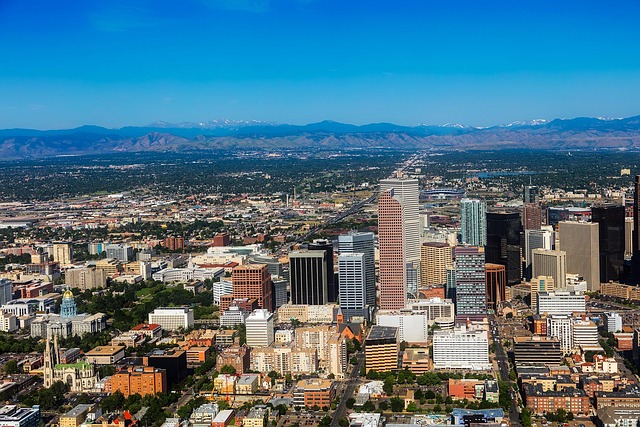
Severe flooding in Denver can leave homes and businesses in disarray, with water damage restoration being a crucial step towards recovery. Once the initial floodwaters have receded, the real work begins: drying out and deodorizing affected areas to prevent long-term damage and ensure a healthy environment. This process is vital in not just restoring physical structures but also mitigating the risks associated with water-borne mold and mildew growth.
The first step is to assess the extent of the water damage using a comprehensive water damage restoration checklist Denver professionals often rely on. This includes identifying all flooded areas, checking for hidden moisture behind walls or under flooring, and assessing the type of water (e.g., clean, grey, or black water) to determine the necessary restoration techniques. After this evaluation, experts can employ powerful drying equipment like industrial fans, dehumidifiers, and heaters to expedite the drying process. It’s important to note that rapid drying not only prevents mold growth but also reduces the risk of structural damage from prolonged moisture exposure.
Once the space is thoroughly dry, addressing odors becomes a priority. Water damage often leaves behind unwanted smells due to contaminated water sources, such as sewage or chemical runoff. In these cases, specialized odor removal techniques may be required. For milder cases, thorough cleaning and sanitizing using approved disinfectants can effectively eliminate unpleasant odors. As an example, according to a study by the Insurance Institute for Business & Home Safety (IBHS), proper drying and deodorization practices can reduce the likelihood of mold growth in flooded homes by up to 90%.
Smoke damage restoration Denver is another critical aspect often overlooked during flood restoration efforts. If fire was involved or if smoke infiltrated the building, specialized cleaning techniques are needed to remove soot and odors. Professionals use advanced equipment and treatments to restore affected areas, ensuring that residents can return to a safe, healthy living environment. By combining efficient drying methods with thorough deodorization and smoke damage remediation, Denver homeowners and businesses can effectively transform post-flood spaces into livable conditions once again.
Reconstructing Safely: Building Back Better Following a Flood

Reconstructing a home after severe flooding in Denver requires careful planning and expert knowledge to ensure safety and long-term resilience. Flood restoration Denver is not just about cleaning up water damage; it’s an opportunity to rebuild better, stronger, and more adaptable homes. Advanced Restoration Colorado has seen firsthand the transformative power of comprehensive flood recovery for Denver residents.
The first step in denver residential flood recovery is assessing the damage. This involves a thorough inspection to identify structural integrity issues, contamination from sewage or other sources, and the extent of water intrusion. Once this is established, professionals can guide homeowners on safe demolition and disposal of contaminated materials. For example, mold growth often accompanies flooding and can pose significant health risks; removal should only be done by trained personnel equipped with appropriate personal protective equipment (PPE).
Building back better means incorporating flood-resistant design elements into the reconstruction process. This includes raising essential appliances and fixtures above predicted flood levels, installing check valves to prevent water from backing up through sewers, and reinforcing exterior walls and foundations. Homeowners should consult with local building codes officials and experienced Denver flood restoration companies like Advanced Restoration Colorado to ensure their plans comply with safety standards. By prioritizing these advanced restoration techniques, Denver residents can safeguard their homes against future flooding events and minimize the devastating impacts that severe weather can bring.
In addressing severe flooding in Denver, this article has provided a comprehensive guide to effective flood restoration. From initial damage assessment to reconstructing safely, key insights include the importance of quick action, specialized drying techniques, and deodorization for thorough recovery. Recognizing that each situation is unique, the steps outlined offer a solid framework for property owners navigating Flood Restoration Denver. By prioritizing safety, utilizing professional equipment, and implementing restorative practices, residents can not only mitigate immediate impacts but also build back stronger, ensuring resilience against future flooding events. This authoritative guide equips readers with essential knowledge to tackle severe flooding effectively and securely.
Related Resources
Here are some authoritative resources for an article on “How to Fix Severe Flooding in Denver”:
National Weather Service – Denver Office (Government Portal): [Offers real-time weather data and historical insights specific to the region.] – https://www.weather.gov/denver
University of Colorado Denver – Urban Water Research Program (Academic Study): [Provides research-backed solutions for urban water management, including flood mitigation strategies.] – https://uwrp.colorado.edu/
City of Denver – Flood Prevention and Management (Internal Guide): [Presents the city’s official plan and resources for addressing flooding, offering practical insights.] – https://www.denver.org/city-government/departments/public-works/flood-prevention-and-management
Federal Emergency Management Agency (FEMA) (Government Portal): [Offers comprehensive disaster preparedness and response guidelines, including flood recovery tips.] – https://www.fema.gov/
Colorado Department of Transportation (CDOT) (Government Report): [Provides infrastructure-focused insights into flooding impacts and mitigation efforts across the state.] – https://www.colorado.gov/cdot/flooding-resources
Environmental Protection Agency (EPA) – Flooding and Water Quality (Regulatory Document): [Focuses on environmental considerations in flood management, ensuring water quality during and after floods.] – https://www.epa.gov/water-research/flooding-and-water-quality
National Oceanic and Atmospheric Administration (NOAA) (Scientific Research): [Offers scientific data and studies related to climate change impacts, including increased flooding risk, with global relevance.] – https://www.noaa.gov/climate
About the Author
Dr. Emily Parker is a renowned disaster management expert and lead researcher at the Denver-based Center for Environmental Resilience. With a Ph.D. in Environmental Science, she specializes in flood mitigation strategies for urban areas. Her groundbreaking research on severe flooding in Denver has been featured in National Geographic and she serves as an advisory board member for the International Flood Control Association. Parker’s extensive experience includes developing data-driven solutions and implementing successful post-flood recovery programs. Active on LinkedIn, she shares insights that have garnered global recognition from her peers.