
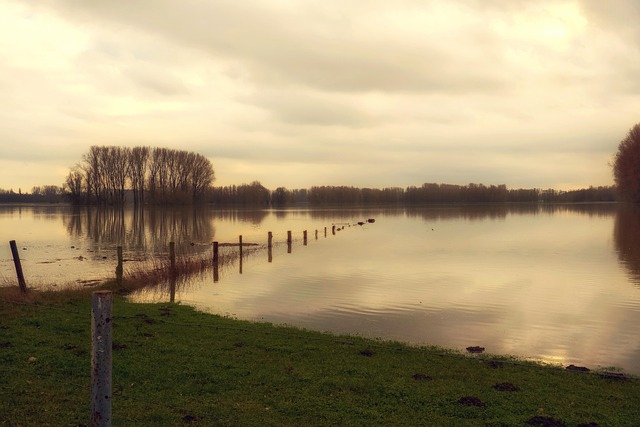
Flood Restoration Denver costs vary widely based on damage extent, from $2,000-$5,000 for minor repairs to over $50,000 for severe cases. Timely action is crucial to minimize mold growth. The process involves assessment, water removal, drying, mold inspection/removal, and restoration/reconstruction. Cost factors include damage extent, property location, resource availability, and timing. Consulting professionals and considering flood insurance are essential for effective recovery.
Water damage restoration costs in Denver can vary widely, making it crucial for homeowners to understand the factors influencing expenses when facing flood restoration Denver. Unchecked water intrusion can cause significant structural damage, necessitating professional intervention. The complexity of the task, extent of water saturation, and type of damage dictate the restoration process and pricing. This article provides an authoritative guide to navigating the costs associated with flood restoration Denver, empowering homeowners with knowledge to make informed decisions during this challenging time.
- Understanding Water Damage Restoration Cost in Denver
- The Step-by-Step Guide to Flood Restoration Denver
- Factors Influencing Post-Flood Repair Costs in Denver
Understanding Water Damage Restoration Cost in Denver

Water damage restoration cost in Denver can vary widely depending on several factors. When dealing with flood restoration Denver, homeowners should expect a multi-step process that involves assessing the extent of the damage, removing water and wet materials, drying out the property, and repairing or replacing affected items. The average cost for minor water damage repairs in Denver ranges from $2,000 to $5,000, while more severe cases requiring structural repairs and replacement of contents can exceed $50,000. Understanding these costs is crucial when navigating Denver flood insurance claims.
Fire damage restoration Denver and sewage cleanup Denver also fall under the umbrella of water damage restoration, each with its own set of considerations. Fire damage often necessitates not only water removal but also smoke and soot cleaning, decontaminating affected areas, and repairing or replacing damaged belongings. Sewage cleanup involves addressing not just water but also potential pathogens and contaminants, requiring specialized equipment and techniques to ensure a safe environment post-restoration. The cost for these services can vary based on the scope of work and extent of damage, making it essential to consult with professionals who can provide accurate estimates tailored to specific needs.
To prepare for potential costs, homeowners in Denver should consider obtaining flood insurance, which can cover significant expenses associated with water damage restoration. According to recent data, only about 15% of homeowners in at-risk areas have adequate coverage, leaving many facing substantial out-of-pocket expenses during recovery. Regularly reviewing and updating insurance policies is an important step in mitigating financial burdens during times of crisis. By understanding the various aspects of water damage restoration cost in Denver and planning accordingly, residents can better navigate post-disaster scenarios with confidence and support from experts in fire damage restoration Denver and sewage cleanup Denver services.
The Step-by-Step Guide to Flood Restoration Denver
Flood Restoration Denver: A Step-by-Step Guide to Navigating Water Damage Recovery
When facing a home flooding event in Denver, timely and effective flood restoration is crucial to mitigate damage, prevent long-term issues, and ensure your peace of mind. This process involves several meticulous steps that require the expertise of professionals like those offered by Restoration Services Denver. Here’s a detailed guide to help you understand the flood restoration journey:
1. Immediate Assessment and Water Extraction: Upon discovering flooding, act swiftly. Contact a reputable Denver mold removal and restoration service. They’ll begin by assessing the extent of damage using advanced tools. The primary goal at this stage is to extract standing water as quickly as possible to prevent further deterioration. Time is critical; rapid action can save hundreds or even thousands in repairs.
2. Drying and Dehumidification: After water extraction, specialized equipment like air movers and dehumidifiers are employed to thoroughly dry the affected areas. Moisture levels must be reduced below 60% relative humidity to inhibit mold growth. Restoration Services Denver uses advanced drying techniques tailored to your property’s unique needs. Proper drying is essential to avoid structural damage and health risks associated with mold, a common consequence of untreated water damage in Denver homes.
3. Mold Inspection and Removal: With persistent moisture, mold can develop within 24-48 hours. A certified inspector will identify any hidden mold growth and determine its extent. If present, professional mold removal is crucial. Mold removal services in Denver employ safe, effective methods to eliminate the issue at its source, ensuring a healthier home environment post-restoration. Restoring your space becomes a priority, with special attention paid to removing contaminated materials like drywall, insulation, or carpeting.
4. Restoration and Reconstruction: This final phase involves repairing and reconstructing damaged areas to their pre-flood condition. It encompasses everything from structural repairs to refinishing, depending on the severity of water damage. Restoration services collaborate closely with you, considering both aesthetic preferences and functional needs. From repiping and drywall replacement to redoing electrical work or flooring, every step is designed to restore your Denver home to its optimal state.
By following this flood restoration guide and enlisting professional help, homeowners in Denver can effectively manage water damage, prevent mold growth, and ensure a seamless return to their living spaces. Remember, swift action is key; the longer water remains, the greater the potential for extensive and costly repairs.
Factors Influencing Post-Flood Repair Costs in Denver

When it comes to flood restoration Denver faces unique challenges due to its unpredictable weather patterns and geographical features. The cost of post-flood repair in Denver is influenced by several factors, each playing a crucial role in determining the overall expense. Understanding these variables is essential for property owners and businesses alike, as it enables them to budget effectively and make informed decisions regarding emergency water removal Denver services.
One primary factor is the extent of water damage. Commercial water damage restoration in Denver often involves assessing and mitigating various types of losses, including structural damage, mold growth, and compromised electrical systems. For instance, a recent study by the City of Denver’s Emergency Management Department revealed that properties experiencing severe flooding required an average of 25% more time and resources for restoration compared to less intensive cases. The complexity of repairs directly correlates with the cost, as specialized equipment, labor, and materials are required to address each unique issue.
Another significant consideration is the location and type of property. Fire Damage Restoration Denver can vary greatly depending on whether the structure is residential or commercial. Commercial buildings often present more intricate challenges due to larger square footage, complex electrical systems, and potential hazardous materials. For example, a high-rise office building might necessitate specialized equipment for drying and decontaminating spaces, compared to a single-family home. Similarly, properties located in areas prone to rapid water accumulation or with inadequate drainage systems may experience more severe damage, driving up restoration costs.
Furthermore, the availability of resources and timing play critical roles. During peak flood seasons, emergency water removal Denver services might face increased demand, leading to potential delays and higher labor rates. Ensuring swift action is crucial as prompt mitigation can prevent secondary damages like mold growth or structural instability. Property owners should be aware that waiting may result in more extensive repairs and, consequently, higher costs. Acting swiftly and coordinating with reputable flood restoration companies specialized in Denver’s unique needs is key to managing expenses effectively.
Understanding water damage restoration cost in Denver is crucial for anyone facing post-flood scenarios. The article offers a comprehensive guide to flood restoration Denver, highlighting key factors influencing repair costs, including scope of damage, property type, location, and market fluctuations. By delving into these aspects, homeowners can anticipate potential expenses, making informed decisions during the recovery process. This authoritative piece equips readers with valuable insights, empowering them to navigate the complexities of flood restoration Denver effectively.