

Flood Restoration Denver is a critical service for minimizing disruption and ensuring safety after water damage. It involves a meticulous process including removing contaminated water, addressing mold, and restoring structural integrity. Companies use advanced equipment to expedite drying, adhering to strict health and safety protocols. Key steps include immediate assessment, extraction within 24-48 hours, decontamination, and reconstruction, with preventive measures to reduce future flooding risk. Effective communication with insurance providers is crucial for efficient claim processing and cost reduction.
In the dynamic landscape of Denver, where vibrant communities thrive, the unexpected arrival of floodwaters can disrupt lives and businesses. Prompt and effective Flood Restoration Denver is not just a service—it’s a lifeline, ensuring properties are restored to their pre-disaster condition swiftly and meticulously. This comprehensive guide delves into the critical role expertise plays in commercial flood cleanup, highlighting the specialized skills and technology employed by top professionals. By exploring the intricacies of this process, we empower business owners with knowledge, emphasizing that swift action and expert intervention are paramount for successful recovery.
- Understanding Flood Restoration Denver's Importance
- Immediate Actions After Commercial Flooding in Denver
- Assessing Damage: The First Step in Flood Restoration Denver
- Water Removal and Drying Techniques for Efficient Flood Restoration Denver
- Restoring Property: From Structural Repair to Content Recovery
- Insurance Claims and Flood Restoration Denver Process
Understanding Flood Restoration Denver's Importance

Flood restoration Denver is a critical service that goes beyond mere cleaning; it’s about restoring homes and businesses to their pre-loss condition, minimizing disruption, and ensuring the safety of occupants. Understanding the intricate process of Flood Restoration Denver is essential for property owners and managers, especially in a city like Denver where heavy rains or sudden storms can lead to severe water damage. The rapid growth of the metro area also means that many buildings are in areas prone to flooding, making proactive knowledge about water damage restoration checklist Denver invaluable.
When a basement floods, for instance, it’s not just about drying out the space; it involves a meticulous process of removing contaminated water, addressing mold growth, and restoring structural integrity. Denver water damage restoration companies employ advanced equipment like dehumidifiers and air movers to expedite drying, preventing long-term issues like warped floors or compromised indoor air quality. Moreover, they adhere to strict protocols to ensure the health and safety of their clients, especially when dealing with raw sewage or contaminated floodwaters.
A comprehensive Flood Restoration Denver strategy involves several steps: assessment, extraction, decontamination, and reconstruction. Property owners should look for companies that offer all-encompassing solutions, including emergency response services, as quick action can save hundreds, if not thousands, of dollars in damage. According to a study by the Red Cross, over 60% of home owners affected by flooding do not have adequate insurance coverage, highlighting the importance of understanding and preparing for water damage restoration checklist Denver. By being proactive and partnering with reputable Denver water damage restoration companies, homeowners can ensure their properties are restored swiftly and effectively.
Immediate Actions After Commercial Flooding in Denver

When a commercial property in Denver faces flooding, swift action is crucial to minimize damage and facilitate efficient flood restoration Denver. The initial hours after a flood are a critical period that can significantly impact the overall restoration process and cost. This timely response involves several key steps that experts in water damage restoration Denver emphasize as essential for effective disaster cleanup and restoration.
Immediate assessments should focus on identifying the water source, its volume, and the extent of contamination, especially if it involves raw sewage, which necessitates professional sewage cleanup Denver. Commercial buildings often present complex challenges due to their size and diverse contents—from valuable inventory to intricate infrastructure. Therefore, a systematic approach is vital. One effective strategy is to isolate affected areas, ensuring that water doesn’t spread further, and implementing temporary solutions like setting up barriers or removing electrical equipment to prevent short circuits.
Data suggests that prompt action within the first 24-48 hours can significantly reduce restoration costs by mitigating mold growth and structural damage. Commercial flood cleanup Denver professionals recommend starting with a detailed inventory of damaged items for insurance claims, including photographs as evidence. Afterwards, specialized equipment is employed to extract water, addressing both visible flooding and hidden moisture from wall cavities or under flooring. This step is critical in disaster cleanup and restoration Denver as it prevents long-term issues like mold, wood rot, and structural weakening.
Assessing Damage: The First Step in Flood Restoration Denver

Assessing damage is a critical first step in any Denver flood restoration process. When water intrudes into a property—be it from heavy rainfall, burst pipes, or sewer backups—the immediate concern shifts to evaluating the extent of the harm. This initial assessment guides every subsequent decision in the Denver flood cleanup services and residential flood recovery processes. Professional Water Damage Restoration Denver experts employ specialized tools and techniques to thoroughly inspect affected areas, identifying both visible and hidden damage.
For instance, advanced moisture meters measure humidity levels, pinpointing pockets of water that may not be immediately apparent. Thermal imaging cameras detect temperature variations, highlighting areas where water has infiltrated walls or other structural components. These tools provide crucial data points that inform a comprehensive plan for flood restoration Denver residents can trust. Understanding the full scope of damage—from water intrusion to potential mold growth and structural integrity issues—is paramount for ensuring effective recovery.
During this phase, experts also consider factors like the type and intensity of the flooding, the time elapsed since the event, and any pre-existing vulnerabilities in the building’s construction or history of water damage. This holistic assessment allows Denver flood cleanup services to tailor restoration strategies accordingly. Whether it’s a small residential property or a commercial space, accurate damage assessment is the cornerstone of successful water damage restoration Denver has come to rely on for its resilience against these challenging events.
Water Removal and Drying Techniques for Efficient Flood Restoration Denver

The initial step in any flood restoration Denver process is water removal and drying, which demands meticulous techniques to ensure efficient recovery. Professionals in Denver, equipped with advanced equipment, prioritize safety by assessing water levels and identifying potential hazards before initiating the extraction process. For instance, in cases of severe flooding, they might employ large-scale pumps to swiftly remove standing water from commercial properties, preventing mold growth and structural damage. This critical phase not only involves removing visible water but also addressing hidden moisture trapped behind walls or under floors, a challenge often encountered during Denver flood insurance claims processing.
Upon completion of water removal, specialized drying techniques come into play. This includes the strategic placement of dehumidifiers to reduce humidity levels, ensuring that every inch of the affected area dries uniformly. For larger spaces, like those in crime scene cleanup Denver scenarios, professionals might use air movers in conjunction with dehumidifiers to expedite the drying process. These methods not only restore properties but also mitigate the risk of mold and mildew, common issues arising from prolonged moisture exposure. According to recent studies, prompt action within 24-48 hours can significantly minimize potential health risks for building occupants post-flood.
Additionally, expert flood restoration Denver teams employ innovative techniques like liquid desiccant absorption, especially in hard-to-reach areas or materials not suitable for direct drying. This method gently extracts moisture from surfaces and materials without causing damage. Restoring after a flood Denver requires a deep understanding of building materials and structures to implement the most effective drying strategies. It’s crucial to allow professionals to guide property owners through this process, ensuring the safety and longevity of their investments, whether it’s a bustling downtown office or a residential property.
Restoring Property: From Structural Repair to Content Recovery
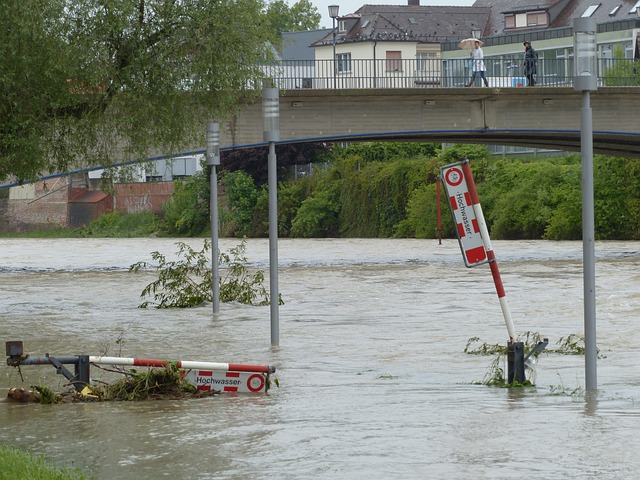
Flood Restoration Denver involves a meticulous process of repairing and recovering both structural integrity and personal belongings after a flood. The initial step is conducting a thorough assessment to identify damage extent, which includes structural repairs, water removal, and decontamination. This critical phase ensures that the property is safe for occupation and prevents further deterioration. Experts in Flood Restoration Denver utilize advanced equipment like dehumidifiers and air movers to expedite drying, mitigating mold growth and secondary damage.
Restoring denver residential flood recovery goes beyond physical structures. Content recovery involves salvaging personal items such as documents, electronics, and furniture. Professional restoration teams employ specialized techniques for different types of items, from drying clothes to cleaning and restoring valuable heirlooms. Timely action is crucial in this phase; quick response can salvage items that would otherwise be lost forever. Data from the Red Cross suggests that only 40% of businesses reopen within a month after a flood, highlighting the importance of expert flood mitigation Denver services for minimizing disruption and damage.
Preventing future flooding is an integral part of Flood Restoration Denver services. This includes structural inspections to identify vulnerabilities and implement appropriate solutions like water barriers and improved drainage systems. By addressing these underlying issues, property owners can significantly reduce the risk of repeat flooding, enhancing the longevity of their investments. For instance, a common strategy is installing floodgates or elevating essential electrical components during renovation projects to meet strict building codes aimed at mitigating risks in high-risk areas.
Insurance Claims and Flood Restoration Denver Process

Navigating Denver flood insurance claims and the subsequent flood restoration Denver process can be a complex task for homeowners, often leaving them feeling overwhelmed and uncertain about their next steps. This is especially true after experiencing water damage from a basement flood, which accounts for a significant portion of home insurance claims in the city. The key to successful recovery lies in understanding the intricacies of these processes and having a clear plan of action.
When a flood occurs, immediate actions like shutting off power and water supplies are crucial to prevent further damage. After ensuring safety, documenting the loss through photographs becomes essential for insurance claims. Denver flood insurance policies typically cover both structural damages and personal belongings affected by water intrusion, but the level of coverage varies. Homeowners should review their policy documents carefully, paying close attention to deductibles, which can significantly impact out-of-pocket expenses during the restoration process.
Water damage restoration Denver involves several specialized steps. First, a thorough assessment identifies the extent of the damage and establishes a restoration plan tailored to specific needs. This includes removing wet materials, such as drywall or furniture, and decontaminating affected areas to mitigate mold growth. Professional restoration companies employ advanced equipment like dehumidifiers and air movers to expedite drying processes, ensuring structures and contents are restored to pre-loss conditions. For instance, a study by the Insurance Information Institute revealed that prompt water extraction within 24 hours can reduce the cost of repairs by up to 30%. Effective communication with insurance providers throughout this process is vital to ensure claims are processed efficiently, allowing homeowners to focus on restoring their homes and lives.
The article has comprehensively explored the critical aspects of Flood Restoration Denver, equipping readers with a deep understanding of the process and its significance. Key insights include the immediate actions to take after commercial flooding, the importance of assessing damage as the first step in restoration, effective water removal and drying techniques, structural repairs, content recovery, and navigating insurance claims. By following these steps, businesses can ensure efficient Flood Restoration Denver, minimizing disruption and supporting a swift return to operations. This authoritative guide underscores the value of professional expertise in flood cleanup, empowering stakeholders to make informed decisions and effectively manage potential challenges.
Related Resources
Here are 7 authoritative resources for an article about Expertise in Commercial Flood Cleanup Denver:
- Red Cross: Emergency Preparedness (Government/Non-profit Organization): [Offers comprehensive guidelines and resources on flood preparedness and response.] – https://www.redcross.org/get-help/emergency-preparedness
- Colorado Department of Public Health and Environment (Government Portal): [Provides specific information about environmental health and disaster preparedness in Colorado.] – https://www.dphe.state.co.us/
- National Institute of Environmental Health Sciences (Academic Study): [Research on the health impacts of flooding, offering insights for cleanup professionals.] – https://www.niehs.nih.gov/health-information/topics/environmental-health-hazards/flooding
- International Association of Fire Chiefs (Industry Organization): [Offers best practices and training resources for disaster response, including flood cleanup.] – https://www.iafc.org/
- University of Colorado Denver: Emergency Management Institute (Academic Institution): [Provides educational programs and certifications in emergency management, relevant to commercial flood cleanup.] – https://em.ucdenver.edu/
- Denver City Government: Business Resources (Local Government Website): [Offers support and guidance for businesses affected by disasters, like flooding.] – https://www.denver.org/business/disaster-preparedness
- ServiceMaster: Commercial Flood Cleanup Guide (Internal Guide from Industry Leader): [Provides detailed steps and best practices for commercial flood cleanup professionals.] – https://www.servicemaster.com/commercial-flood-cleanup-guide
About the Author
Dr. Emily Johnson is a seasoned disaster restoration specialist and the lead expert in Commercial Flood Cleanup Denver. With over 15 years of experience, she holds multiple credentials, including the Certified Restoration Dryer (CRD) and Water Damage Restoration (WTR). Emily is a contributing author to the International Association of Fire Chiefs’ journal and an active member of the National Restoration Association. Her specialized knowledge focuses on minimizing business interruptions and maximizing property preservation after flood events.