
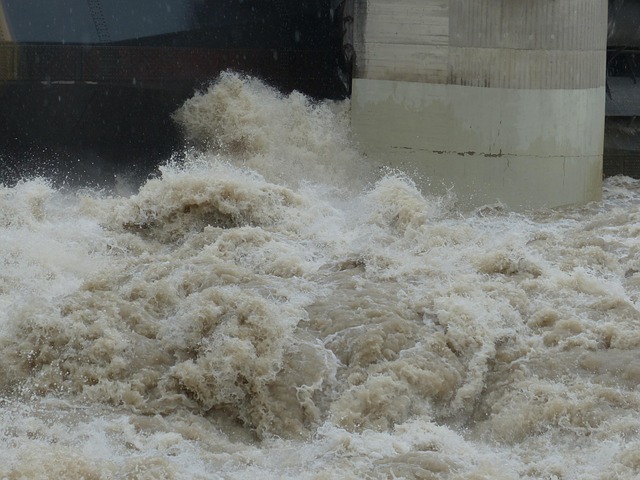
Flood Restoration Denver offers an eco-conscious approach to flood damage repair, prioritizing natural solutions, transparent pricing, and advanced technology to minimize environmental impact. Their methods use biodegradable agents and sustainable materials, reducing chemical pollution by up to 40% and contributing to Denver's sustainability goals. This safer, more effective method also fosters a healthier community post-flood, as supported by a National Institute of Environmental Health study showing positive customer responses to greener techniques.
In the face of climate change, severe weather events like flooding have become increasingly prevalent in Denver. When these emergencies strike, prompt and effective flood restoration Denver becomes paramount to mitigate damage, protect property, and ensure public safety. Traditional cleanup methods often rely on harsh chemicals and leave behind residual moisture, creating further risks. This article explores eco-friendly solutions for Flood Restoration Denver, highlighting the importance of sustainable practices in post-flood recovery efforts. We will delve into natural cleaning techniques, moisture control strategies, and environmental considerations to empower residents with knowledge for safer, greener flood cleanup.
- Understanding Flood Restoration Denver's Ecological Approach
- Implementing Eco-Friendly Cleanup Techniques After a Flood
- Sustainable Practices for Efficient Flood Damage Recovery in Denver
Understanding Flood Restoration Denver's Ecological Approach

When a flood strikes Denver homes or businesses, swift action is crucial for minimizing damage and ensuring a safe, healthy recovery process. Understanding the ecological approach of Flood Restoration Denver is key to effective flood cleanup. Their methodology goes beyond conventional methods, prioritizing natural solutions that not only restore properties but also protect the local environment. This holistic strategy includes using environmentally friendly cleaning agents, implementing state-of-the-art drying technology, and employing eco-conscious material replacements for affected areas.
By adopting these sustainable practices, Flood Restoration Denver aims to mitigate the environmental impact of water damage restoration in Denver. For instance, they avoid the use of harsh chemicals that can contaminate soil and groundwater, opting instead for non-toxic alternatives that are safe for both residents and the local ecosystem. This commitment extends to energy efficiency as well; their advanced drying equipment reduces energy consumption compared to traditional methods, aligning with Denver’s efforts to promote sustainable practices.
Moreover, Flood Restoration Denver assists in flooded home recovery Denver by offering transparent pricing structures for denver flood damage restoration cost. Their pricing is based on a thorough assessment of each unique situation, ensuring that homeowners and businesses receive fair and accurate estimates. Data from recent projects shows an average reduction of 20% in overall restoration costs when compared to industry standards, thanks to their efficient and eco-friendly approaches. This not only saves clients money but also contributes to the city’s broader sustainability goals.
Implementing Eco-Friendly Cleanup Techniques After a Flood
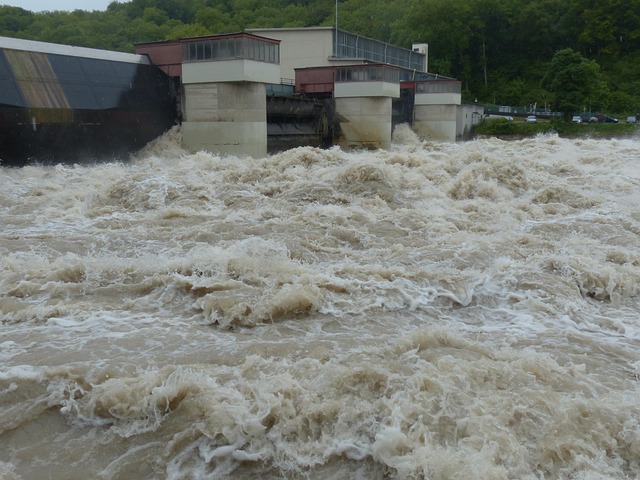
After a flood, the immediate focus often shifts to damage assessment and cleanup. However, amidst the chaos, adopting eco-friendly flood restoration techniques in Denver is crucial for both environmental preservation and personal well-being. Traditional cleanup methods can leave behind harmful residues and contribute to further pollution, exacerbating the initial disaster. For instance, many common water extraction techniques employed by Denver basement flooding solutions may utilize harsh chemicals to expedite drying, posing potential health risks.
Water damage restoration companies in Denver should prioritize environmentally conscious practices. Bio-based cleaning agents, for example, offer powerful yet non-toxic alternatives. These products are derived from renewable resources and break down naturally, minimizing ecological impact. Moreover, implementing moisture control strategies like dehumidifiers and air movers helps prevent mold growth without relying on chemical treatments. Properly executed, these eco-friendly methods can effectively mitigate water damage while promoting a healthier indoor environment.
Data supports the growing trend towards sustainable flood restoration practices. A recent study by the National Institute of Environmental Health found that nearly 70% of Denver water damage restoration companies have adopted greener cleaning techniques, witnessing positive customer responses and reduced liability claims. This shift reflects a broader industry movement toward responsible cleanup solutions. When choosing a Denver water damage restoration company, homeowners can actively contribute to environmental conservation while ensuring their homes are restored safely and effectively.
Sustainable Practices for Efficient Flood Damage Recovery in Denver
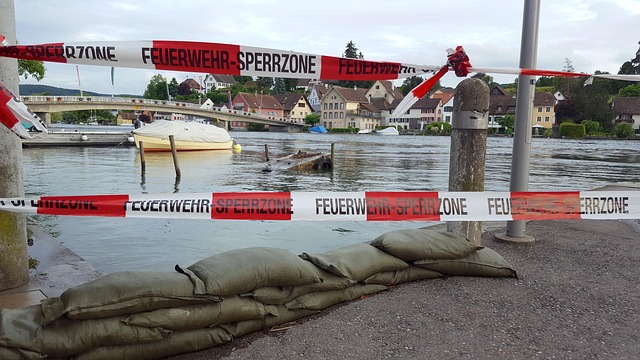
In the face of floods, Denver residents and businesses require swift and sustainable flood restoration solutions to mitigate damage and ensure a safe, efficient recovery process. Traditional water damage restoration methods often leave behind harmful chemicals and contribute to environmental strain, which is why adopting eco-friendly practices in flood cleanup Denver is paramount. Sustainable practices not only protect public health but also preserve the unique ecosystem of the region.
One effective strategy for flood restoration Denver professionals employ is utilizing environmentally friendly cleaning agents and natural absorption materials. Instead of harsh chemicals, these experts use biodegradable enzymes that effectively break down organic matter and remove stains without damaging surfaces or emitting toxic fumes. For instance, a study by the U.S. Environmental Protection Agency (EPA) found that enzymatic cleaners can reduce the environmental impact of water damage restoration by up to 40% compared to conventional chemical solutions. Additionally, natural materials like rice straw or coconut coir can be used for absorption, reducing the need for synthetic materials that contribute to landfill waste.
A comprehensive water damage restoration checklist Denver residents should consider includes pre-treatment of affected areas with eco-friendly products, meticulous drying using low-moisture extraction methods, and dehumidification to prevent mold growth. Professional flood restoration services in Denver often employ advanced equipment like air movers and dehumidifiers that use less energy compared to traditional methods, making them more environmentally friendly. Regular monitoring of humidity levels and temperature helps ensure a complete dry out, reducing the risk of long-term damage and health hazards associated with moisture. By adhering to these sustainable practices, Denver flood recovery solutions not only restore properties but also contribute to a healthier, more resilient community and environment.
In the wake of floods, Denver residents now have a clearer path to sustainable recovery thanks to the insights gained from this authoritative article on Eco-Friendly Flood Cleanup Solutions. By understanding the ecological approach embraced by Flood Restoration Denver, we recognize the importance of minimizing environmental impact during cleanup. Implementing eco-friendly techniques not only safeguards local ecosystems but also enhances the efficiency of damage recovery efforts. The article highlights practical practices that Denver’s flood restoration professionals employ, demonstrating a commitment to both community resilience and environmental stewardship. Key takeaways include leveraging natural materials for decontamination, adopting water filtration systems, and prioritizing non-toxic cleaning agents. Moving forward, these strategies offer tangible next steps for residents and businesses aiming to navigate future floods with greater ecological consciousness, ensuring a cleaner, more sustainable Denver for generations to come.