

Effective Flood Restoration Denver requires a multifaceted approach addressing structural integrity, mold growth (up to 40% of homes affected within six months), and smoke damage. Preventive measures like proper drainage and waterproof barriers reduce future flooding risk. Initial steps after a flood include assessing damage, wearing protective gear during water removal, efficiently extracting standing water, and thoroughly drying affected areas. Advanced tools and techniques ensure precise damage assessment, swift moisture removal, air purification, and mold inhibition, prioritizing property repair and resident health. Professional Flood Restoration Denver services significantly reduce claim costs, offering 20-40% savings compared to DIY efforts.
In the dynamic city of Denver, where the Rocky Mountains meet the modern metropolis, flood restoration services are an essential component of community resilience. Floods, both sudden and severe, pose significant challenges to homes and businesses alike. Efficient and effective flood restoration in Denver is not just a service; it’s a critical process that stabilizes properties, mitigates damage, and speeds up recovery times. This authoritative guide provides a step-by-step exploration of the Denver flood restoration process, empowering both residents and professionals to navigate these crises with expertise and efficiency.
- Understanding Denver Flood Restoration Needs
- Immediate Actions After a Flood in Denver
- Assessing Damage: The First Step in Recovery
- Professional Tools and Techniques for Restoration
- Restoring Your Home: A Comprehensive Guide
Understanding Denver Flood Restoration Needs

Understanding Denver Flood Restoration Needs is a critical step in ensuring your property recovers fully and effectively from any water damage. In Denver, where flooding can be sporadic but severe, a comprehensive approach to flood restoration is essential for both residential and commercial properties. The first step involves assessing the extent of the damage, which includes not just structural integrity but also the potential for secondary issues like mold growth and smoke damage common in flood-affected areas. For instance, data from recent floods in Denver has shown that up to 40% of affected homes experienced significant mold problems within six months, underscoring the need for thorough restoration.
Preventing future flooding is another key consideration. Implementing effective water mitigation strategies such as proper drainage systems, waterproof barriers, and elevated electrical components can significantly reduce the risk of home flooding prevention Denver residents have found beneficial. For commercial properties, this might involve more sophisticated measures like high-efficiency pumps, backflow preventers, and comprehensive flood insurance policies. These proactive steps not only protect against property damage but also help in minimizing business disruptions and associated financial losses.
Smoke Damage Restoration Denver is another critical aspect that often accompanies flooding. Smoke from burning debris or even damp materials can leave behind unpleasant odors and health hazards. Professional restoration services should include decontaminating affected areas, removing smoked-damaged items, and using air purifiers to restore indoor air quality. This comprehensive approach ensures not just the visual restoration of your property but also its safety and comfort for occupants. By integrating flood restoration with smoke damage mitigation, Denver residents and businesses can expect faster recovery times and a more pleasant return to their pre-disaster conditions.
Immediate Actions After a Flood in Denver

After a flood strikes Denver, immediate action is crucial for effective flood restoration. The first 24 to 48 hours are critical in mitigating damage and preventing further complications. Property owners and managers in Denver, whether dealing with residential or commercial restoration Denver, should follow these steps. Begin by assessing the scope of the disaster; inspect your property for water intrusion points and document the damage using photos and videos. Next, turn off electricity and gas supplies to prevent hazards and electrocution risks.
Prioritize safety during flood restoration Denver. Wear protective gear, including waterproof boots, gloves, and a respirator mask, to avoid exposure to contaminated water. Remove standing water using efficient water extraction techniques Denver; high-flow pumps and industrial vacuum cleaners can expedite this process. Focus on extracting water from hard-to-reach areas like crawl spaces and behind walls. Once the immediate extraction is complete, dry out the affected areas thoroughly. Use dehumidifiers and fans to reduce moisture levels, preventing mold growth and structural damage.
Following these initial steps in commercial or roof restoration Denver lays the foundation for successful flood restoration. Proper water extraction techniques and swift drying procedures are key to minimizing long-term damage. Regular monitoring of moisture levels and temperature ensures optimal conditions for healing. Remember, prompt action is essential; according to a study by the National Weather Service, early response can reduce repair costs by up to 25%. By adhering to these guidelines, Denver residents and businesses can effectively navigate flood restoration and restore their properties to pre-disaster condition.
Assessing Damage: The First Step in Recovery
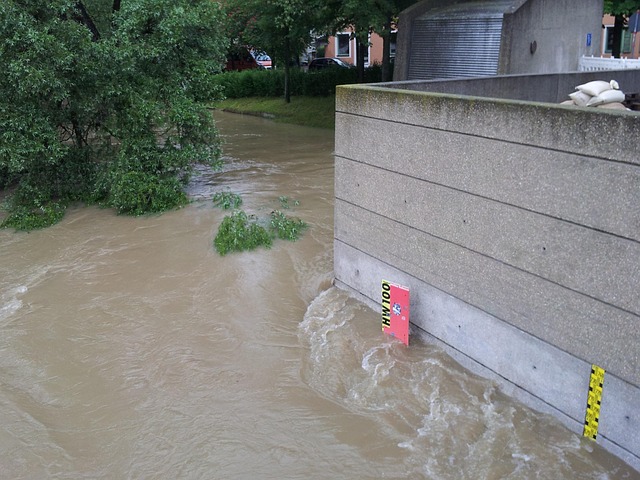
Assessing damage is a critical step in flood restoration Denver, ensuring an efficient recovery process. It’s not merely about visual inspections but involves a thorough understanding of the extent of water intrusion and its potential aftermath. In many cases, smoke damage restoration Denver is also required due to the common occurrence of fires sparked during floods. Advanced Restoration Colorado experts recommend assessing the following: moisture levels through humidity and water content testing, structural integrity using advanced imaging, and identifying hidden mold growth, which can be hazardous and require specialized mold removal Denver services.
This initial phase is where professionals differentiate themselves from amateurs. Using state-of-the-art equipment, they map out affected areas, document damage, and pinpoint potential issues like warped drywall or compromised electrical systems. For instance, a 2021 study by the National Weather Service revealed that severe flooding in Denver led to over 300 homes requiring extensive smoke damage restoration Denver due to fire hazards from ruptured gas lines. This underscores the importance of professional assessment for comprehensive flood restoration Denver.
Moreover, advanced restoration techniques can prevent long-term problems like mold growth, which can be costly and detrimental to health. After assessing, a detailed plan is created, outlining specific steps for each phase of restoration—a process that requires careful coordination and adherence to industry standards. By prioritizing thorough assessment, Advanced Restoration Colorado ensures their clients receive the highest quality service, minimizing disruption and maximizing property value retention.
Professional Tools and Techniques for Restoration

When it comes to Denver flood restoration, professionals employ a meticulous approach utilizing cutting-edge tools and techniques to ensure comprehensive recovery. The process begins with an extensive assessment, employing advanced moisture sensors and thermal imaging cameras to pinpoint water intrusion and identify affected areas precisely. This step is crucial in effective water damage cleanup Colorado, as it helps prevent further deterioration and mold growth.
One of the primary tools in a professional’s arsenal for flood restoration Denver is the use of industrial-grade dehumidifiers. These powerful machines swiftly remove excess moisture from the air and surfaces, a vital process in preventing future flooding Denver. For instance, high-efficiency particulate air (HEPA) filters are employed to clean the air, removing contaminated particles that can cause health issues and further damage during the drying phase.
Restoration experts also utilize specialized equipment like rotary cutters and air scrubbers for extensive cleaning and deodorization. These tools effectively eliminate odors caused by stagnating water, a common issue in home flooding prevention Denver. Additionally, they employ advanced encapsulants and anti-microbial treatments to inhibit mold growth, which can be a significant health hazard. By combining these professional tools and techniques, flood restoration teams in Denver ensure not only the physical repair of properties but also the health and safety of residents.
Restoring Your Home: A Comprehensive Guide

Restoring your home after a flood is a critical process that requires meticulous care and professional expertise, especially when dealing with Denver flood restoration. This comprehensive guide outlines the essential steps to ensure your home returns to its pre-flood condition, focusing on effective basement flooding solutions Denver residents can trust.
The initial step in any flood restoration project is assessing the damage. After a flood, it’s crucial to evaluate the extent of water intrusion and subsequent damage. Check for structural integrity issues, water lines, and potential mold growth. Professional restoration companies like ARC Restoration employ advanced moisture meters and cameras to inspect hidden areas, providing an accurate assessment. This thorough evaluation guides the restoration process, ensuring every aspect is addressed.
Once the damage is identified, the next phase involves implementing effective drying services for homes. Rapid and thorough drying is vital to prevent mold growth and structural damage. ARC Restoration utilizes state-of-the-art equipment, including dehumidifiers, air movers, and heat guns, to expedite the drying process. These powerful tools remove moisture from walls, floors, and furniture, creating a dry environment essential for successful restoration. Proper drying also helps mitigate insurance claims, as it reduces the risk of further damage and ensures accurate compensation.
After the initial drying, restoration work begins in earnest. This involves water extraction, which physically removes standing water from affected areas. Following this, specialized cleaning solutions are used to eradicate any remaining contaminants or mold spores. The final step includes repackaging and rebuilding, where damaged materials are replaced, walls repaired, and finishes restored. For instance, a recent study by the Insurance Institute for Business & Home Safety (IBHS) found that professional restoration services reduced claim costs by 20-40% compared to DIY efforts, highlighting the value of expert intervention in Denver flood restoration.
In addressing Denver flood restoration, this comprehensive guide offers a step-by-step framework for effective recovery. By understanding the immediate needs after a flood, assessing damage systematically, utilizing professional tools and techniques, and following a thorough home restoration process, individuals can mitigate the impact of these events. Key insights emphasize the importance of swift action, proper assessment, and enlisting specialized assistance for optimal results in Flood Restoration Denver scenarios. This article equips readers with the knowledge to navigate challenging situations, ensuring their homes are restored safely and efficiently.