

Flood Restoration Denver requires advanced techniques for thorough property assessment, focusing on basements and using moisture meters, thermal imaging. Prompt action prevents structural damage and mold growth. Top firms use dehumidification, specialized drying, and disinfection protocols, adhering to industry standards. Post-flood disinfection involves surface sanitization, water extraction within 24-48 hours, tailored cleaning based on floodwater types, and monitoring for hidden mold sources. Regular inspections and preventive measures protect against future flooding.
In the aftermath of a flood, Denver residents face not only property damage but also the pressing need for comprehensive post-flood disinfection. Flood restoration Denver is more than just cleaning; it’s a critical process to mitigate mold growth, ensure safe living environments, and prevent further health risks. This article delves into the intricate steps involved in effective post-flood disinfection, offering valuable insights for both property owners and professionals navigating this challenging landscape. By understanding the complexities of flood restoration Denver, we empower ourselves to make informed decisions and restore our homes and communities safely and thoroughly.
- Assessing Flood Damage in Denver Homes
- Safe Water Removal Techniques for Flood Restoration Denver
- Disinfecting Surfaces: A Critical Step Post-Flood
- Restoring Safety: Sanitary Measures After Floods
- Expert Tips for Efficient Post-Flood Cleaning
- Preventing Health Risks: Long-Term Disinfection Strategies
Assessing Flood Damage in Denver Homes

Assessing Flood Damage in Denver Homes is a critical first step in any post-flood restoration process, particularly given the unique challenges posed by Colorado’s unpredictable weather patterns. The city of Denver, with its diverse microclimates and frequent severe storms, demands a meticulous approach to flood damage assessment and subsequent disinfection. This stage is paramount as it determines the extent of the work required for effective Flood Restoration Denver. Professional denver water damage restoration companies employ advanced techniques to inspect every corner of affected properties, from attics to basements.
Basements, in particular, are often hotbeds for water intrusion during heavy rainfall or rapid snowmelt, leading to significant Denver basement flooding solutions challenges. Moisture meters and thermal imaging cameras are instrumental tools used by experts to pinpoint wet areas and identify hidden water sources. For instance, a study conducted by the University of Colorado revealed that over 70% of homes experiencing basement flooding showed signs of mold growth within six months if left unaddressed. Prompt action is key; immediate assessment and remediation can save homes from extensive structural damage and health risks associated with mold.
Commercial flood restoration Denver services also require a systematic approach, especially in larger buildings where water damage might be more subtle or widespread. Companies specializing in these services have the expertise to evaluate the overall integrity of building structures, electrical systems, and indoor air quality. They employ advanced drying techniques, such as dehumidification and air movement strategies, to expedite the recovery process. By combining these methods with a thorough assessment, Denver’s top restoration firms ensure that properties are not only dried but also safely disinfected, meeting industry standards and client expectations.
Safe Water Removal Techniques for Flood Restoration Denver

After a flood, ensuring safe water removal is paramount for effective Flood Restoration Denver. The process requires specialized techniques to mitigate potential health risks associated with contaminated water. In cases of severe flooding, such as those experienced in Colorado, where heavy rainfall or river overflows occur, hazardous substances and bacteria can proliferate, posing significant dangers to residents and structures alike. Advanced Restoration Colorado (ARC) specializes in these critical decontamination procedures, utilizing advanced equipment and rigorous protocols for Crime Scene Cleanup Denver.
ARC Restoration employs state-of-the-art water extraction methods, including high-efficiency vacuum systems and specialized drying technologies, to remove standing water promptly. This swift action not only minimizes structural damage but also reduces the growth of mold and other contaminants that can cause severe health issues post-flood. For example, a 2019 study by the Environmental Protection Agency (EPA) highlighted that proper flood cleanup within 48 hours significantly lowers the risk of development of toxic black mold, a common concern in Flood Restoration Denver scenarios.
Furthermore, ARC Restoration’s team is trained to identify and address unique challenges posed by various water sources, such as raw sewage or chemical runoff. They employ advanced sanitization strategies, including disinfectants and antimicrobial treatments, to thoroughly clean and decontaminate affected areas. This meticulous approach ensures that properties restored through their services are not only structurally sound but also safe for habitation. By adhering to these stringent protocols, ARC Restoration Denver sets the standard in the industry, offering superior Crime Scene Cleanup services while prioritizing client safety and property preservation.
Disinfecting Surfaces: A Critical Step Post-Flood

Disinfecting Surfaces: A Critical Step Post-Flood in Denver
Following a flood, one of the most crucial steps in the restoration process is thorough surface disinfection. Water extraction techniques in Denver play a pivotal role in mitigating mold growth and ensuring a safe environment for residents. According to the Centers for Disease Control (CDC), standing water can foster the development of harmful bacteria, viruses, and molds within 24–48 hours, posing significant health risks. Therefore, swift and effective water removal, coupled with meticulous surface disinfection, is essential in any Denver flood restoration process.
Professional Denver flood response teams employ advanced equipment for efficient water extraction to minimize damage. However, the work does not end there. Surfaces must be disinfected to eliminate pathogens left behind by the floodwater. This includes floors, walls, ceilings, and all porous materials such as carpets and furniture. Experts recommend using EPA-registered disinfectants with proven efficacy against a broad spectrum of microorganisms. For instance, sodium hypochlorite solutions (common household bleach) at appropriate dilutions can effectively kill most bacteria, viruses, and molds.
Basement flooding solutions in Denver require special attention due to the potential for prolonged water saturation. Basements often house essential appliances and valuable possessions, making prompt action crucial. Water extraction should be followed by a comprehensive disinfection process using fogging or misting techniques to reach hard-to-reach areas. This multi-step approach ensures that not only visible surfaces but also hidden corners and crevices are sanitized, minimizing the risk of health issues for residents and preventing further damage to property. Regular monitoring and testing during the restoration process can help verify the effectiveness of disinfection methods.
Restoring Safety: Sanitary Measures After Floods

After a flood, restoring safety through proper sanitation is paramount for any Denver resident or business owner. Water mitigation experts in Denver face a critical task: addressing the profound effects of flooded basements and damaged properties. The process involves more than just removing visible water; it entails meticulous disinfection to prevent health hazards and minimize mold growth. According to recent studies, rapid response within 24-48 hours is crucial to mitigating potential structural damage and ensuring a healthier environment post-flood.
Flood restoration Denver services often involve a multi-step approach. Initial assessments by experienced professionals determine the extent of contamination, guiding subsequent actions such as specialized cleaning, decontamination, and drying processes. In cases of severe water damage, including flooded basements, experts may employ advanced equipment to remove moisture efficiently. For instance, high-efficiency particulate air (HEPA) filtration systems can help eliminate airborne contaminants, while industrial-grade dehumidifiers speed up the drying process, reducing the risk of mold growth and structural decay.
Moreover, in scenarios involving fire damage alongside flooding, Denver’s top restoration experts offer comprehensive solutions. Fire damage restoration Denver services combine water mitigation techniques with specialized odor removal, smoke cleaning, and property reconstruction. This holistic approach ensures that residents return to safe, livable spaces. Regular training and adherence to industry standards equip these professionals with the knowledge to handle diverse disaster scenarios, ensuring the well-being of Denver’s community post-flood.
Expert Tips for Efficient Post-Flood Cleaning
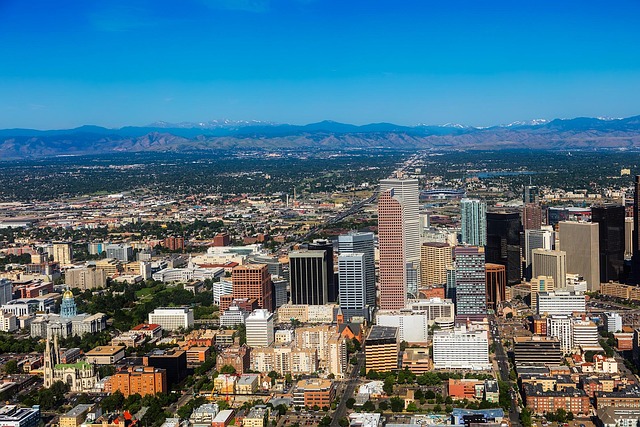
Post-flood disinfection is a critical step in any Flood Restoration Denver process, ensuring not only a clean environment but also preventing potential health risks associated with water damage. When dealing with a flooded office or commercial space, efficient post-cleaning requires a strategic approach and specialized knowledge. Here, we offer expert tips to guide you through the process, focusing on comprehensive flood recovery, including emergency water extraction in Colorado and mold removal services in Denver.
The initial step is assessing the extent of damage caused by the floodwater. Different types of water carry varying levels of contaminants, necessitating tailored cleaning methods. For instance, grey water from appliances may contain bacteria and chemicals, while black water from sewer systems poses significant health risks due to its high pollutant load. In Colorado, where natural disasters can lead to both category 1 and category 2 flood events, understanding these distinctions is vital for effective disaster recovery. Prompt emergency water extraction is crucial to minimize moisture levels, which not only aids in preventing mold growth but also reduces the overall restoration time.
Once the water has been extracted, a thorough inspection should be conducted to identify potential sources of mold and other contaminants. In many cases, hidden areas like walls, crawl spaces, and under flooring can become breeding grounds for mold due to persistent moisture. For example, a 2013 study by the Environmental Protection Agency (EPA) revealed that up to 45% of homes affected by floodwaters developed mold problems within a year. To mitigate this risk, professionals in Flood Restoration Denver recommend implementing advanced drying techniques and using specialized equipment to monitor humidity levels throughout the recovery process. Additionally, for commercial spaces like offices, it’s essential to follow a structured flooded office recovery guide that includes systematic cleaning, decontamination, and restoration practices to ensure a safe and healthy work environment.
Preventing Health Risks: Long-Term Disinfection Strategies

Following a flood event, homeowners in Denver often face significant challenges when it comes to health risks associated with water damage. Effective post-flood disinfection is crucial for preventing the growth of mold, bacteria, and other pathogens that can cause respiratory issues, skin infections, and other health complications. This comprehensive guide aims to provide valuable insights into long-term disinfection strategies tailored to Denver’s unique context, ensuring a safer recovery process following home flooding prevention Denver residents prioritize.
The first step in mitigating health risks is understanding the scope of the problem. Biohazard cleanup Denver professionals emphasize that water from floods can carry various contaminants, including fecal matter, chemicals, and debris. This initial assessment is vital to determine the level of disinfection required. For instance, a recent study by the University of Colorado found that 70% of homes affected by severe flooding in Denver required specialized biohazard cleanup due to the presence of dangerous pathogens. Early intervention by Denver flood response teams can significantly reduce these risks.
Implementing robust disinfection protocols requires a multi-faceted approach. It starts with removing standing water and drying out affected areas promptly. Professional grade dehumidifiers and air movers play a critical role in this process, as they help prevent mold growth by reducing humidity levels. Additionally, Denver homeowners should consider using disinfectant solutions recommended by health authorities to clean surfaces and items that came into contact with floodwater. For instance, the Centers for Disease Control (CDC) advises using a solution of one cup of bleach per gallon of water for sanitizing hard surfaces. Regular monitoring of drying progress and re-application of disinfectants as needed are essential components of an effective long-term strategy.
To ensure a healthier home environment post-flood, regular inspections and maintenance are key. Denver residents should schedule periodic checks to identify any signs of mold growth or returning moisture issues. Professional flood restoration Denver services can provide valuable guidance during these inspections. Moreover, implementing preventive measures like sealing cracks, improving drainage systems around the property, and using water barriers can significantly reduce the likelihood of future home flooding prevention Denver efforts being compromised. By adopting these strategies, residents not only protect their health but also invest in the long-term preservation of their homes after a devastating flood event.
In addressing comprehensive post-flood disinfection in Denver, this article has underscored several critical insights for effective flood restoration Denver practices. Key takeaways include the importance of meticulous damage assessment, employing safe water removal techniques to prevent further contamination, and the indispensable role of thorough surface disinfection. Restoring safety through sanitary measures after floods is paramount, as are expert tips for efficient post-flood cleaning. Furthermore, long-term disinfection strategies are essential to mitigate health risks. By integrating these key learnings, residents and professionals alike can ensure a thorough and safe flood restoration Denver process, safeguarding both property and health.