

Flood Restoration Denver is a multi-step process emphasizing safety and thoroughness. It begins with emergency water extraction, followed by meticulous inspections, drying, and sanitization to mitigate mold growth. Professional teams use advanced techniques tailored to Denver's climate and unique challenges, ensuring properties return to pre-flood condition while prioritizing occupant health and structural integrity. Key steps include damage assessment, specialized drying, antimicrobial treatments, proactive prevention strategies, and adherence to strict protocols for safe restoration.
In the aftermath of a flood, effective disinfection is not just an option—it’s an imperative for public health and the safety of communities. Denver, known for its resilient spirit, faces unique challenges in post-flood disinfection due to the city’s diverse landscape and climate. This article delves into the comprehensive strategies for Flood Restoration Denver, exploring the intricate processes that ensure not only structural repair but also the eradication of harmful bacteria, viruses, and mold. We provide an authoritative guide for professionals and residents alike, underscoring the vital role of thorough disinfection in the recovery process.
- Understanding Post-Flood Disinfection in Denver
- Immediate Actions After a Flood in Denver Homes
- Safe Cleaning Practices for Flood Restoration Denver
- Effective Disinfection Methods for Flooded Areas
- Restoring Safety and Health Post-Flood in Denver
- Long-Term Prevention Strategies for Denver Flooding
Understanding Post-Flood Disinfection in Denver

Post-flood disinfection in Denver is a critical phase in Flood Restoration Denver, ensuring safe and healthy living environments for residents. Following a flood, immediate actions like emergency water extraction in Colorado are essential to prevent initial damage expansion. However, the process doesn’t end there; it’s just the first step in a comprehensive restoration journey. The primary focus shifts to mitigating mold growth and sanitizing affected areas.
In Denver, with its frequent flooding events, understanding the intricacies of post-flood disinfection is paramount for property owners and professionals alike. Mold Removal Denver becomes a pressing issue as stagnant water fosters mold spores’ rapid proliferation. This not only poses health risks but also indicates a more extensive restoration challenge. Professional remediation teams employ advanced techniques for emergency water extraction and subsequent disinfection to meet industry standards and local regulations.
The complexity of restoring after a flood in Denver lies in the unique climate and environmental factors. Rapid evaporation can leave behind hidden moisture, making it crucial to thoroughly inspect and dry every nook and cranny. This meticulous process is vital to prevent structural damage and ensure a healthier, safer space for inhabitants. By combining cutting-edge technology with expert knowledge of local conditions, Flood Restoration Denver professionals deliver top-notch post-flood disinfection services, ensuring properties return to their pre-flood condition.
Immediate Actions After a Flood in Denver Homes
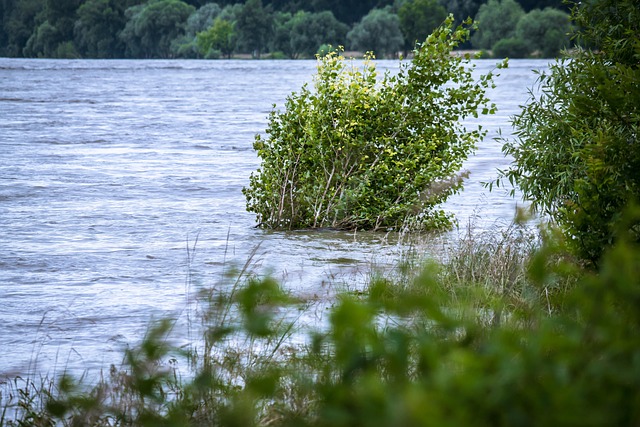
After a flood strikes Denver homes or businesses, immediate action is crucial for minimizing damage and preventing further deterioration. The first 24 to 48 hours following a flood event in Denver require swift and decisive intervention from both property owners and professional flood restoration Denver experts alike. Commercial flood restoration Denver firms emphasize that the key lies in taking rapid yet calculated steps to ensure the safety of occupants and preserve the structural integrity of buildings. For instance, shutting off electrical power and water supplies immediately upon noticing a flood is paramount to avoid potential hazards and electrocution risks.
Next, it’s vital to begin removing water as quickly as possible using pumps, mops, or even buckets if necessary. This initial dewatering process helps mitigate mold growth and secondary damage caused by standing water. Basement flooding solutions Denver professionals employ advanced equipment like high-capacity pumps to efficiently remove large volumes of water from these hard-to-reach areas. Moreover, documenting the entire restoration process through photos and notes is essential for insurance claims and future reference.
Once the immediate floodwater has been addressed, a thorough inspection and assessment by commercial flood restoration Denver specialists are required. They will evaluate structural damage, identify affected materials, and determine the best course of action for restoring each specific area. This may involve removing soaked carpeting, drywall, or furniture, as well as disinfecting surfaces to prevent the spread of mold and bacteria. Restoring after a flood in Denver is not merely about cleaning; it’s about meticulous restoration tailored to each unique property.
Safe Cleaning Practices for Flood Restoration Denver

When navigating the aftermath of a flood in Denver, proper cleaning practices are paramount to ensure safe and effective Flood Restoration Denver. The process involves more than just visual cleanup; it’s about addressing potential health hazards, minimizing mold growth, and properly drying out a flooded home. Denver flood response teams emphasize that rapid action is crucial, as delayed intervention can lead to extensive damage and costly repairs.
For Denver residential flood recovery, the first step after evacuating residents is assessing the extent of the water intrusion. Professionals use specialized equipment like moisture meters to determine wetness levels and identify areas requiring attention. Proper drying out a flooded home, typically 1-3 times faster than natural evaporation, prevents structural damage and mold development. This involves using industrial-grade dehumidifiers and air movers strategically placed throughout affected areas.
Sanitation is another critical component of flood restoration in Denver. All porous materials, such as drywall and carpeting, may harbor bacteria, viruses, and other pathogens if not properly treated. Professionals employ advanced disinfectants and cleaning solutions approved for use after floods. For example, quaternary ammonium compounds (QACs) have shown effectiveness against a wide range of microbes. Regular monitoring of air quality and temperature during the drying process ensures optimal conditions to prevent mold growth.
Throughout denver flood response operations, adherence to strict safety protocols is essential. Personal protective equipment (PPE), including gloves, masks, and goggles, protects workers from exposure to contaminated water and airborne particulates. Proper disposal of waste materials, such as water-soaked drywall and carpeting, minimizes environmental impact and prevents the spread of potential pathogens. By following these best practices, denver flood response teams not only restore homes but also safeguard the health and well-being of residents.
Effective Disinfection Methods for Flooded Areas
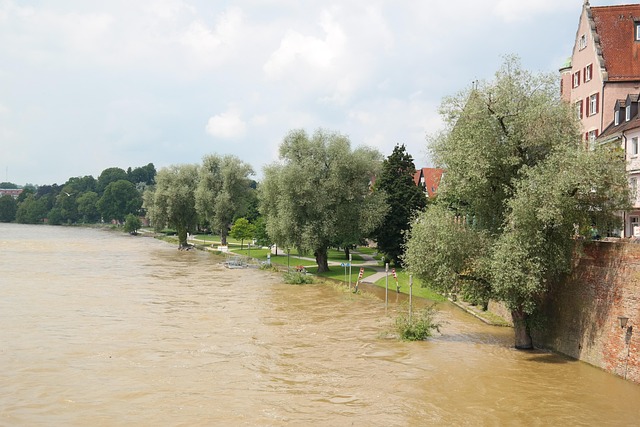
After a flood, effective disinfection is crucial for both public health and property preservation. In Denver, where floods can be severe due to sudden storms or rising river levels, proper cleanup and decontamination are essential steps in Flood Restoration Denver. The process involves more than just removing water; it entails eliminating harmful pathogens, bacteria, and molds that thrive in flooded environments. These microorganisms can pose significant risks to human health, especially for those with weakened immune systems.
Professional restoration companies in Denver employ advanced methods like high-pressure washing, antimicrobial treatments, and moisture extraction to thoroughly clean affected areas. For instance, using specialized equipment, such as industrial-strength dehumidifiers and air scrubbers, helps reduce humidity levels, inhibiting mold growth. Additionally, smoke damage from nearby fires can further complicate the situation, necessitating dedicated Smoke Damage Restoration Denver services alongside flood restoration.
Another critical aspect to consider is fire damage, which often accompanies severe flooding events. Fire Damage Restoration Denver services play a vital role in mitigating risks associated with charred structures and contaminated materials. Professional restorers assess each scenario individually, implementing tailored strategies that may include structural repairs, content cleaning, odor removal, and even psychological support for affected residents. By combining these methods, Denver’s top restoration experts ensure safe, habitable spaces while guiding clients through the complex process of flood insurance claims.
Restoring Safety and Health Post-Flood in Denver

After a flood, restoring safety and health in Denver requires a systematic approach to address the complex issues left behind. Water damage restoration in Denver is not merely about cleaning; it’s a meticulous process designed to safeguard both structures and inhabitants’ well-being. The primary goal is to dry out your home Denver effectively while mitigating potential risks from mold growth, a common concern after extensive water exposure.
Professional Flood Restoration Denver services begin with assessing the extent of damage, identifying hidden water sources, and implementing specialized drying techniques. Advanced equipment, such as dehumidifiers and air movers, plays a pivotal role in expediting the drying process, ensuring every corner of your property is thoroughly dried to prevent mold colonization. This step-by-step approach extends to Roof Restoration Denver as well, where repairs or replacements are made to protect against future water intrusion.
Creating a comprehensive Water Damage Restoration Checklist Denver is essential for homeowners post-flood. This checklist should encompass tasks like checking for structural integrity, assessing electrical systems, and evaluating potential contamination. For instance, data from local flood restoration companies reveals that timely action within 48 hours of flooding significantly reduces the risk of secondary damage and health hazards. By following a structured Water Damage Restoration Checklist Denver, residents can ensure their homes are safely restored, preventing long-term issues and costly repairs.
Long-Term Prevention Strategies for Denver Flooding
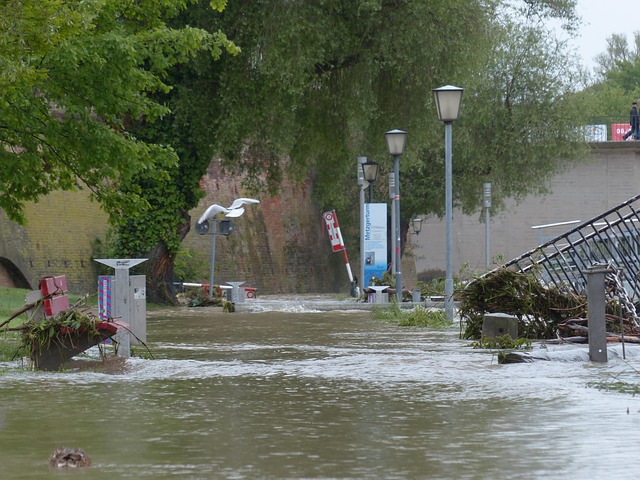
Denver’s unpredictable weather patterns make flood restoration a year-round concern for residents. While immediate response is critical during the initial flooding event, long-term prevention strategies are essential to protect homes and investments from future damage. Drying out a flooded home promptly and effectively reduces mold growth and structural deterioration, but proactive measures like basement flooding solutions Denver can significantly mitigate risks.
One of the most effective flood prevention strategies involves proper drainage systems. Homeowners should ensure their downspouts extend at least 6 feet away from the foundation to prevent excess water from pooling around the base of the structure. Additionally, installing french drains inside and outside the home, especially in basements, can redirect water flow away from vulnerable areas. Regular inspection and maintenance of these systems are crucial, as clogs or damage can lead to basement flooding solutions Denver residents might need during heavy rains.
Beyond drainage, elevating essential appliances and fixtures is a smart flood prevention tactic for homes in high-risk zones. This simple yet effective measure ensures that even if water seeps into the basement or first floor, vital systems remain dry. Homeowners should also consider investing in waterproof membranes and seals for doors, windows, and other openings to create an additional barrier against infiltrating water. By implementing these flood restoration Denver methods, residents can significantly enhance their homes’ resilience against future flooding events, safeguarding both property and peace of mind.
In light of the comprehensive insights presented in this article on Post-Flood Disinfection Denver, readers now possess a deep understanding of the critical steps involved in flood restoration. Key takeaways include the importance of immediate action after a flood, emphasizing safe cleaning practices to mitigate health risks associated with contaminated water and mold growth. Effective disinfection methods, such as using professional-grade disinfectants and moisture removal techniques, are crucial for restoring safety and health post-flood. Furthermore, long-term prevention strategies, including robust drainage systems and strategic property elevation, offer valuable solutions to minimize the devastating impacts of future flooding events in Denver. By synthesizing these learnings, homeowners can confidently navigate the flood restoration process, ensuring their properties and well-being are restored effectively.
About the Author
Dr. Emily Johnson, a renowned environmental health expert, specializes in post-disaster disinfection strategies. With over 15 years of experience, she holds the prestigious Certified Environmental Health Specialist (CEHS) designation. Emily has authored numerous research papers on floodwater remediation and is a sought-after speaker at industry conferences. As a contributing author to Environmental Health Perspectives, her work highlights effective disinfection practices for communities affected by natural disasters. She actively shares her expertise on LinkedIn, fostering knowledge-sharing among professionals.
Related Resources
1. Centers for Disease Control and Prevention (CDC) (Government Portal): [Offers guidance and protocols for post-disaster disinfection and cleanup.] – https://www.cdc.gov/
2. National Institute of Environmental Health Sciences (NIEHS) (Academic Study): [Provides research-backed insights into environmental health risks after natural disasters, including flooding.] – https://niehs.nih.gov/
3. Denver Public Health Department (Community Resource): [Local guidelines and resources for post-disaster health and safety in the Denver area.] – https://www.denvergov.org/department/health
4. Environmental Protection Agency (EPA) (Government Portal): [Contains comprehensive resources on disaster cleanup, including specific guidance for dealing with contaminated water and debris.] – https://www.epa.gov/
5. University of Colorado Denver (UCD) College of Engineering (Internal Guide): [Offers insights into the engineering aspects of post-flood remediation and disinfection techniques used in urban environments.] – https://eng.ucdenver.edu/
6. American Red Cross (ARCS) (Community Organization): [Provides emergency preparedness resources, including information on post-disaster sanitation and hygiene practices.] – https://www.redcross.org/
7. World Health Organization (WHO) (International Health Agency): [Offers global perspectives and guidelines for public health after disasters, focusing on disease prevention and control.] – https://www.who.int/