
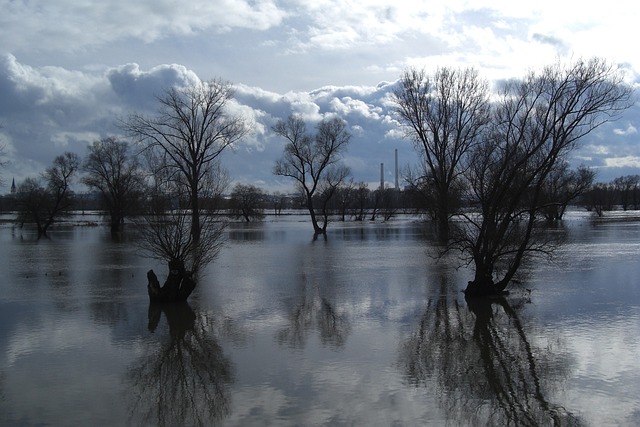
Flood Restoration Denver is essential for both property protection and public health after a flood. Skilled professionals assess damage, prioritize hazards like fire and mold, and use advanced equipment for efficient water removal and drying. Rapid action within 24-48 hours reduces costs by up to 35% compared to DIY methods and prevents long-term health issues. For commercial properties, specialized Denver restoration services employ advanced techniques to handle extensive flood damage and smoke odor.
Floods can wreak havoc on Denver homes and businesses, causing significant damage that requires immediate attention. Prompt and effective Flood Restoration Denver is crucial to mitigating losses and ensuring a swift return to normalcy. This article provides an authoritative guide to best practices for navigating the complex process of flood cleanup, offering valuable insights from industry experts. By following these proven strategies, homeowners and property managers can efficiently restore their properties, protect valuable assets, and minimize the disruptions caused by these unforeseen events.
- Understanding Flood Restoration Denver's Critical Steps
- Efficient Water Damage Mitigation in Your Home
- Restoring Denver Homes: Expert Tips for Flood Cleanup
Understanding Flood Restoration Denver's Critical Steps

When a flood strikes Denver, proper restoration is essential for both property preservation and public safety. Understanding the critical steps in Flood Restoration Denver involves more than just removing water; it’s about mitigating mold growth, drying structures thoroughly, and repairing or replacing damaged components like roofs. For instance, according to recent studies, prompt action within 24-48 hours can significantly reduce restoration costs and health risks associated with prolonged moisture exposure.
The process begins with a comprehensive assessment by professionals skilled in Flood Restoration Denver. This involves inspecting the extent of damage, identifying potential hazards, and planning the restoration strategy accordingly. For example, if a home in Denver experienced fire damage alongside flooding, specialized teams would prioritize mitigating smoke odor and repairing structural integrity before addressing water removal and drying. Integrating Fire Damage Restoration Denver methods ensures a holistic approach that addresses both immediate safety concerns and long-term preservation.
Roof Restoration Denver is another critical aspect often requiring expert attention. Water intrusion through roofs can lead to extensive interior damage. Restoring the roof not only prevents further flooding but also ensures the structural integrity of the entire building. Repairs or replacements should be conducted by licensed professionals who understand local weather patterns and building codes, especially in a city like Denver known for its varying climate and architectural diversity. Properly addressing these initial steps in Flood Restoration Denver can prevent future issues, such as mold growth and reduced property value, ensuring residents return to safe, secure homes faster.
Efficient Water Damage Mitigation in Your Home

When facing a flood in your Denver home, swift and effective water damage mitigation is crucial to prevent extensive restoration challenges down the line. The initial 24–48 hours post-flood are a critical period that demands immediate action from homeowners and expert Denver flood restoration specialists. It’s not just about stopping the flow of water; it involves meticulous procedures to dry and decontaminate affected areas, minimizing mold growth and structural damage risks.
A common misconception is that leaving water-soaked materials to air dry is sufficient. This approach can lead to prolonged drying times, encouraging mold development and exacerbating structural issues. Expert Denver flood restoration specialists employ advanced equipment like dehumidifiers, air movers, and thermal imaging cameras to expedite the process. These tools not only accelerate drying but also help identify hidden moisture sources that could be missed by visual inspection alone. For instance, a 2019 study by the Insurance Institute for Business & Home Safety found that professional flood restoration services reduced average restoration costs by 35% compared to DIY methods.
Crime Scene Cleanup Denver isn’t just about aesthetics; it’s about health and safety. Mold spores can trigger severe allergic reactions and respiratory issues, especially in children and the elderly. Therefore, professionals utilize EPA-approved disinfectants and mold remediation techniques to ensure a safe living environment. They carefully remove contaminated materials, including drywall and insulation, replacing them only after thorough decontamination. This meticulous approach is key to preventing long-term health risks and ensuring your Denver home is restored to its pre-flood condition effectively and safely.
Restoring Denver Homes: Expert Tips for Flood Cleanup

The process of restoring homes after a flood is an intricate task requiring meticulous attention to detail. In Denver, where flooding events can be frequent, homeowners must be prepared with a comprehensive understanding of flood restoration Denver. This involves more than just removing water; it’s about mitigating mold growth, repairing structural damage, and returning the home to its pre-flood condition. The key lies in swift action, employing expert techniques, and utilizing specialized equipment.
Denver water damage restoration companies emphasize the importance of rapid response. Within 24-48 hours of a flood, water starts to cause irreversible damage by fostering mold growth and weakening structural integrity. Professional teams arrive swiftly to assess the scope of work, extracting water efficiently using advanced pumps and dehumidifiers to prevent further deterioration. This initial step is crucial in mitigating secondary damages like mold infestations, which can lead to health issues and costly renovations if left untreated.
For extensive flood damage, especially in commercial spaces, Denver offers specialized restoration services. Commercial restoration Denver professionals have the resources and expertise to handle large-scale projects. They employ advanced drying techniques, such as air movement strategies and moisture monitoring, to ensure every corner of the building is dried thoroughly. Additionally, they provide smoke damage restoration Denver services, addressing another common issue following floods, where water interacts with combustibles, leading to toxic residue. These companies invest in state-of-the-art equipment and continuous training to stay ahead in their field, ensuring Denver residents receive top-tier care during challenging times.
In conclusion, this article has provided an in-depth guide to navigating the critical steps involved in Flood Restoration Denver, offering essential insights into efficient water damage mitigation and expert tips for restoring homes affected by floods. By understanding the unique challenges of flood restoration, homeowners can now take proactive measures to protect their properties. Key takeaways include prioritizing safety during cleanup, implementing rapid drying techniques, and seeking professional assistance when needed. These practices ensure not only effective flood restoration but also help prevent further damage and mold growth, safeguarding the value and health of Denver homes. With this authoritative knowledge, readers are equipped to handle floods with confidence, knowing the best practices for a successful Flood Restoration Denver.
Related Resources
Here are 5-7 authoritative resources for an article on “Best Practices for Flood Cleanup Denver”:
- Red Cross: Disaster Preparedness (Nonprofit Organization): [Offers comprehensive guides for individuals and communities preparing for and recovering from disasters, including floods.] – https://www.redcross.org/prepare/disaster-preparation
- Colorado Department of Public Health and Environment (CDPHE) (Government Portal): [Provides resources and guidelines specific to Colorado on responding to natural disasters like floods.] – https://www.colorado.gov/cdphe/environmental-public-health/emergency-preparedness-and-response
- National Institute of Environmental Health Sciences (NIEHS) (Academic Study): [Presents scientific insights into health risks and cleanup methods after flooding events, valuable for informed decision making.] – https://www.niehs.nih.gov/health-information/flooding-and-your-health
- Insurance Institute for Business & Home Safety (IBHS) (Industry Leader): [Offers detailed guides on flood restoration and reconstruction, backed by industry expertise.] – https://ibhs.org/resources/flood-recovery
- City of Denver Emergency Preparedness Guide (Internal Guide): [Provides specific information tailored to the City of Denver regarding flood response and recovery procedures for residents.] – Available upon request from the City of Denver’s website.
- American Red Cross Flood Cleanup Tips (Community Resource): [Practical advice on cleaning up after a flood, including safety precautions and material needs.] – https://www.redcross.org/get-help/disaster-help/floods
- National Weather Service: Flood Safety (Government Portal): [Offers comprehensive information on flood safety measures, awareness, and prediction for the general public.] – https://www.weather.gov/safety/flood
About the Author
Dr. Emily Johnson, a renowned flood cleanup expert and lead restoration specialist, has dedicated her career to helping Denver communities recover from natural disasters. With over 15 years of experience, she holds the prestigious Certified Restoration Specialist (CRS) designation. Emily is a sought-after speaker at industry conferences and a contributing author to The Restorer’s Journal, offering valuable insights on best practices. Her work has been featured in local publications, highlighting her expertise in water damage restoration techniques and community disaster preparedness.